Category: Trip Planning

  • Morocco Desert Tours for Solo Female Travelers: A Complete Safety Guide

    Morocco Desert Tours for Solo Female Travelers: A Complete Safety Guide

    Morocco is one of the most visited countries in Africa, and the Sahara desert is its crown jewel experience. Every year, thousands of women travel solo through Morocco and into the desert, returning home with stories of extraordinary hospitality, stunning landscapes, and experiences that challenged and rewarded them in equal measure.

    But the internet is also full of cautionary tales, half-truths, and outdated information that can make solo female travel in Morocco seem more daunting than it is. The reality is nuanced. Morocco is neither the danger zone that alarmist blog posts suggest nor a place where you can let your guard down entirely. It is a country with its own cultural norms, and understanding those norms is the key to having a safe, enjoyable, and genuinely enriching experience.

    This guide is written specifically for women planning a Sahara desert tour on their own. It covers safety strategies, cultural etiquette, practical wardrobe advice, how to choose the right tour, and honest insights into what the experience is actually like.

    Is Morocco Safe for Solo Female Travelers?

    The short answer is yes, with preparation. Morocco welcomes millions of tourists each year, and the vast majority of solo female travelers have positive experiences. The country has invested heavily in tourism infrastructure and security, and the Moroccan hospitality tradition runs deep. People are genuinely friendly, curious, and often eager to help.

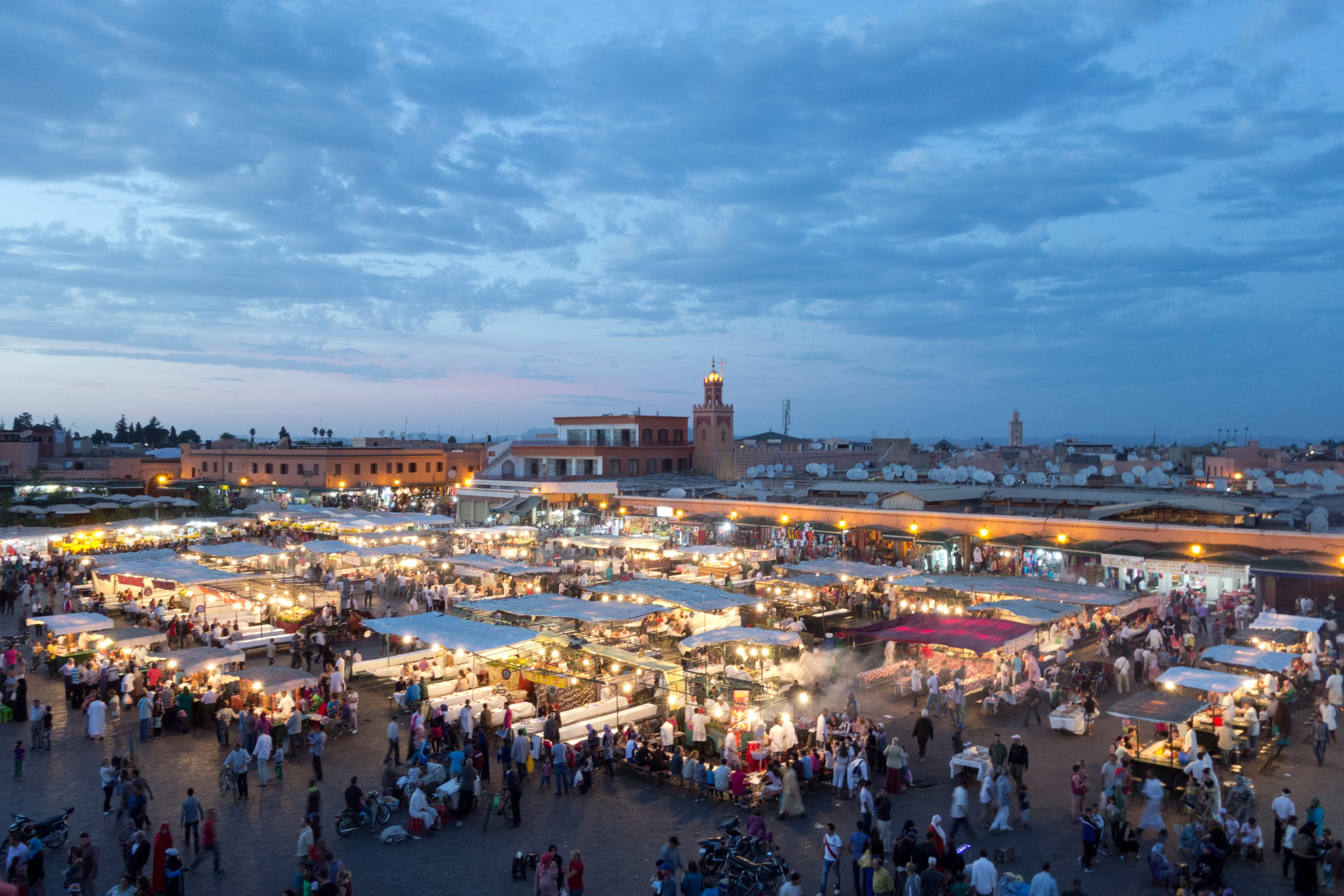
    That said, Morocco is a conservative Muslim country with different social norms around gender interaction than many Western travelers are accustomed to. Street harassment, primarily verbal, does occur in cities, especially in busy medinas and tourist areas. It is rarely dangerous but can be persistent and uncomfortable.

    The desert, paradoxically, tends to feel safer than the cities. Once you leave urban areas and enter the Sahara, you are in a sparsely populated environment where the people you encounter (guides, camp staff, nomadic families) are typically respectful, professional, and accustomed to working with international visitors, including women traveling alone.

    Crime and Personal Safety

    Violent crime against tourists in Morocco is rare. The most common concerns are petty theft (pickpocketing in crowded areas) and scams (inflated prices, fake guides, unwanted “help” that ends with a demand for payment). These are city phenomena; they essentially vanish once you are in the desert.

    For your desert tour specifically, the safety equation is straightforward: when you are with a reputable guide and a well-organized tour, you are in good hands. The desert is not a place of random encounters with strangers. Your group, your guide, your camp staff, and occasionally a nomadic family are the only people you will see.

    Choosing the Right Desert Tour

    Your choice of tour operator is the single most important safety decision you will make. A good operator ensures that guides are professional, camps are well-maintained, vehicles are reliable, and your experience is comfortable and secure.

    Group Tours vs. Private Tours

    Both group and private tours work well for solo female travelers, but each has different advantages.

    Group tours are the most popular choice for solo travelers. You join a small group of other travelers (typically 4 to 15 people), which provides built-in companionship and a sense of security. Group tours are also more affordable. The dynamic varies depending on the group composition; you might find yourself with other solo travelers, couples, families, or a mix. The social element is a major draw for many women traveling alone.

    Private tours offer complete control over your itinerary, pace, and accommodation. If you value privacy, have specific interests, or simply prefer not to coordinate with strangers, a private tour is an excellent option. Some solo female travelers choose private tours because they want to dictate exactly where they go and how long they stay. Private tours cost more, but the personalized experience and flexibility are worth it for many.

    You can browse available group and private tours to compare options, or request a custom itinerary designed around your preferences and comfort level.

    What to Look for in a Tour Operator

    When evaluating a tour operator as a solo female traveler, consider the following. Read recent reviews, specifically from other women who traveled solo. Look for comments about guide professionalism, camp quality, and overall feeling of safety. Ask the operator directly about their experience with solo female travelers, and pay attention to how they respond. A good operator takes your concerns seriously and provides specific, helpful answers rather than generic reassurances.

    Check whether the operator employs female staff, either as guides, camp managers, or support staff. While this is not a requirement, it can add comfort for some travelers. Ask about the sleeping arrangements in shared camps, specifically whether there are separate tent options or whether you will share with strangers.

    Red Flags to Watch For

    Be cautious of operators who are dismissive of safety questions, vague about itinerary details, or unwilling to provide references. Extremely cheap tours often cut corners on quality and safety. If an operator pressures you to book immediately without giving you time to research, that is a warning sign.

    Avoid informal arrangements with individuals you meet on the street, even if they seem friendly and knowledgeable. Unlicensed guides and unofficial tour operators are common in tourist areas, and while many are honest, there is no accountability if something goes wrong.

    Cultural Etiquette for Women in Morocco

    Understanding Moroccan cultural norms is not just about avoiding discomfort; it is about showing respect for the country you are visiting and connecting more authentically with the people you meet.

    Greetings and Social Interaction

    Moroccans are warm and sociable. Greetings are important and often prolonged, with inquiries about health, family, and well-being. As a woman, you may find that Moroccan men avoid direct eye contact or physical contact such as handshakes out of respect, not unfriendliness. Follow their lead: if a man offers his hand, shake it; if he places his hand on his chest instead, return the gesture.

    With women, the greeting is typically warmer and may include cheek kisses (usually two) once a relationship is established. Moroccan women are often curious about solo female travelers and may strike up conversations, offering advice, food, or invitations to tea.

    Conversation Topics

    Moroccans enjoy discussing family, food, travel, and football. Questions about your family, including whether you are married and have children, are not intrusive; they are standard conversational openers. If you prefer not to share personal details, a polite deflection works fine. Some solo female travelers find it useful to mention a partner or husband (real or fictional) as a social shortcut that reduces unwanted attention, though this is a personal choice rather than a necessity.

    Avoid criticizing Islam, the Moroccan monarchy, or local customs. These are sensitive topics. Political discussions are fine in general terms but avoid controversy.

    The Role of Hospitality

    Moroccan hospitality is legendary and genuine. If someone invites you for tea or a meal, it is almost certainly a sincere gesture. However, in tourist areas, occasional invitations come with strings attached (a visit to a shop, a tip expectation). Use your judgment. In the desert and rural areas, hospitality is almost always pure and heartfelt.

    When you accept an invitation, it is polite to bring a small gift: tea, sugar, pastries, or fruit are always welcome. Remove your shoes if your host does. Accept at least one glass of tea; refusing is considered rude.

    What to Wear: Practical and Respectful Dressing

    Clothing is one of the topics solo female travelers worry about most, and the advice is simpler than you might think: dress modestly, comfortably, and practically for the desert environment.

    General Guidelines

    Morocco is not as strict about women’s clothing as some other Muslim-majority countries, but modesty is appreciated, especially outside major tourist areas. Covering your shoulders and knees is a good baseline. Loose-fitting clothing is both culturally appropriate and more comfortable in the heat than tight garments.

    You do not need to wear a headscarf in Morocco. Some women choose to carry a scarf that they can drape over their head when visiting mosques or conservative rural areas, and this is a thoughtful gesture, but it is not required.

    Desert-Specific Clothing

    For the Sahara, your clothing needs to balance modesty with practical desert considerations. Light-colored, loose, long-sleeved tops and full-length trousers made from breathable fabric are ideal. These protect you from the sun, sand, and wind while keeping you cool and culturally appropriate.

    A large scarf or cheche is indispensable. You can wrap it as a headcover against the sun, pull it over your face during sand or wind, use it as a blanket on cool evenings, or drape it modestly around your shoulders when needed. Your guide can show you how to tie a cheche in the traditional Berber style.

    Footwear should be closed-toe for camel riding and sand walking. Sturdy sandals work around camp but not for trekking. Bring warm layers for the night, as desert temperatures drop dramatically after sunset. A fleece or warm sweater and a light jacket are essential even if daytime temperatures are high.

    What Not to Wear

    Avoid low-cut tops, shorts, miniskirts, and transparent fabrics. While you might see this in tourist areas of Marrakech, it attracts unwanted attention and is disrespectful in rural and desert communities. Bikinis and swimwear are for private pool areas at hotels only, not for public spaces.

    Practicality matters too. High heels, white clothing (it will not survive the sand), and anything you cannot move freely in should stay home.

    Dealing with Unwanted Attention

    Street harassment, primarily catcalls, comments, and persistent invitations, is the most commonly reported negative experience for women in Moroccan cities. Here is how to handle it effectively.

    In Cities

    Walk with purpose and confidence. Avoid making sustained eye contact with men who are trying to engage you, as this can be interpreted as encouragement. A firm but polite “la, shukran” (no, thank you) is usually enough to discourage persistence. If someone continues to bother you, walk toward a shop, restaurant, or any public place with other people.

    Wearing a headscarf in cities does reduce attention, though it does not eliminate it entirely. Some women find it a useful tool; others find it unnecessary. It is entirely your choice.

    Avoid walking alone in poorly lit or deserted areas at night. This is standard advice for any city worldwide but is particularly relevant in medina neighborhoods where streets can be narrow and confusing after dark.

    In the Desert

    Harassment is extremely rare in the desert context. Your guide and camp staff are professionals whose livelihood depends on providing a positive experience for all guests. If any behavior makes you uncomfortable, speak up immediately. A good guide will address the situation without hesitation.

    In the unlikely event that you feel unsafe, trust your instincts and remove yourself from the situation. Have the contact information for your tour operator saved in your phone, and do not hesitate to contact them.

    Useful Arabic Phrases

    Learning a few phrases in Darija (Moroccan Arabic) can be empowering and practical:

    • “La, shukran” — No, thank you
    • “Barak Allahu fik” — God bless you (a polite way to end an interaction)
    • “Safi” — Enough / That is enough
    • “Smahliya” — Excuse me
    • “Waqef” — Stop

    The Solo Female Desert Experience: What to Expect

    Here is an honest look at what your desert tour will actually feel like as a woman traveling alone.

    The Journey to the Desert

    Most Sahara tours depart from Marrakech, Fez, or Ouarzazate and involve a full day or more of driving through changing landscapes: the Atlas Mountains, river valleys, rocky hamada desert, and finally the sand dunes. This is typically the portion where you bond with your group (if on a shared tour) or get to know your guide (if private).

    Stops along the route include scenic viewpoints, kasbahs, and small towns where you can stretch your legs and have lunch. Your guide manages all logistics, so you can focus on enjoying the scenery.

    Arriving at Camp

    Desert camps range from basic bivouacs to luxurious glamping setups with private tents, en-suite bathrooms, and hot showers. As a solo traveler, you will typically have your own tent. In shared group tours, confirm this when booking. Most quality camps provide individual tents for solo travelers, but it is worth verifying.

    The camp experience is often the highlight of the trip. Dinner is served communally, and the social atmosphere around the fire is warm and inclusive. Berber music, storytelling, and stargazing under the Sahara sky create a setting that feels both timeless and deeply personal.

    The Camel Trek

    The classic Sahara experience is riding a camel into the dunes at sunset. Camels are gentle animals, and your guide will help you mount and dismount. The ride typically lasts 60 to 90 minutes and is comfortable at a walking pace. Some women find the initial mounting a bit ungainly (long, loose clothing helps here), but you settle into the rhythm quickly.

    If you prefer, many tours offer the option to walk alongside the camel caravan instead of riding. There is no pressure either way.

    Overnight in the Dunes

    Sleeping in the Sahara is an experience unlike anything else. The silence is profound, and the stars are overwhelming. If you are in a solo tent, you will have privacy and security. Camps are staffed throughout the night, and your guide is accessible if you need anything.

    Desert nights are cold, especially from October through March. Most camps provide thick blankets, but bringing your own thermal layer to sleep in is a good idea.

    Practical Safety Tips Specifically for Solo Women

    Beyond the general advice above, here are targeted tips that solo female travelers consistently recommend.

    Before You Go

    Register your trip with your home country’s embassy or consular service in Morocco. Share your complete itinerary, including your tour operator’s contact information, with someone you trust at home. Make digital copies of your passport, insurance documents, and tour booking confirmation, and store them in cloud storage you can access from any device.

    Download offline maps of Morocco on your phone. Cell coverage is good in cities but disappears in the desert. Having maps available offline helps you navigate independently when needed.

    Money and Valuables

    Carry your money in multiple places: some in a money belt worn under your clothing, some in your day bag, and a small emergency stash in your luggage. Leave expensive jewelry at home. A basic watch, modest earrings, and a functional phone are all you need.

    Credit cards are accepted in many tourist-oriented businesses, but cash is king in rural Morocco and essential in the desert. ATMs are widely available in cities but nonexistent in small desert towns. Withdraw what you need before heading into the Sahara.

    Accommodation Safety

    In hotels and riads, always lock your door and use the security chain or bolt. If your room does not feel secure, ask for a different one. Many solo female travelers prefer riads (traditional guesthouses) over large hotels because the smaller, family-run atmosphere feels more personal and secure.

    In the desert camp, your tent will have a zip closure. Some camps provide lockable tents. Keep your valuables with you or in a bag inside your sleeping area.

    Communication

    Purchase a Moroccan SIM card upon arrival. They are inexpensive and widely available at airports and in cities. A local phone number allows you to communicate with your tour operator, call taxis, and make emergency calls. WhatsApp is the primary communication tool in Morocco; nearly everyone uses it, including tour operators and guides.

    Consider a satellite communicator (such as Garmin inReach) if you want the ability to send messages and emergency signals from the deep desert where cell coverage does not exist.

    Health Considerations

    Pack any prescription medications you need, along with a supply of common remedies: pain relievers, anti-diarrhea medication, rehydration salts, and antihistamines. Period products may be difficult to find in small towns and the desert, so bring a sufficient supply from home or stock up in a major city.

    Tap water in Morocco is not safe to drink. Use bottled water, which is widely available and inexpensive. Desert dehydration is a real concern; drink proactively and frequently, especially during physical activities.

    Group Dynamics and Making Connections

    One of the unexpected joys of solo travel is the connections you make along the way. Sahara desert tours, with their communal meals, shared campfires, and collective awe at the landscape, are particularly conducive to forming friendships.

    On Group Tours

    Group tours naturally bring people together. As a solo traveler, you may find yourself connecting with other solo travelers (there are often several on any given tour), couples who enjoy new company, or families who welcome an extra conversational partner. The desert setting strips away the social barriers that often exist in everyday life, and conversations around the fire can be surprisingly deep and meaningful.

    With Your Guides

    Berber guides are natural storytellers with a deep love for their culture and landscape. Many solo female travelers report that conversations with their guides are among the most enriching parts of their trip. Guides are happy to share knowledge about desert plants, nomadic traditions, Berber music, and the stories behind the landscapes you pass through.

    Maintain professional boundaries and trust your instincts. The vast majority of guides are thoroughly professional, but if any interaction feels inappropriate, address it directly or report it to the tour operator.

    With Local Women

    Opportunities to meet Moroccan women are more limited in the desert than in cities, but they do arise. Visits to nomadic families often provide a chance to interact with women in their home environment. These encounters, facilitated by a culturally sensitive guide, can be deeply moving and memorable.

    In towns along the route, markets and cooperatives offer opportunities to connect with local women artisans. The activities available on our tours often include visits to women’s cooperatives, where you can see traditional crafts being made and purchase directly from the artisans.

    Inspiration and Encouragement

    Solo female travel in Morocco, and particularly in the Sahara, is one of those experiences that expands your sense of what is possible. The desert has a way of stripping away the noise and stress of daily life and replacing it with clarity, beauty, and a profound sense of peace.

    Yes, you will need to prepare. Yes, there will be moments of discomfort, whether from the heat, cultural differences, or the simple unfamiliarity of being far from home. But these moments are vastly outweighed by the rewards: watching the sun set over the dunes from the back of a camel, lying in the silence of the desert night with the Milky Way stretched above you, sharing tea and laughter with Berber nomads, and discovering your own capacity for adventure and adaptability.

    Women have been traveling through Morocco for centuries, and the tradition of welcoming them continues today. The Sahara does not discriminate; it humbles and inspires everyone equally.

    Start Planning Your Solo Desert Adventure

    Whether you prefer the companionship of a group or the freedom of a private tour, the Sahara is waiting for you. Browse our available tours to find the perfect match for your travel style, or contact us directly to discuss your needs and any concerns. Our team includes experienced travelers who understand the unique considerations of solo female travel and are happy to help you design an adventure that is safe, comfortable, and unforgettable.

    Your Sahara story starts with a single step. Make it a confident one.

  • What to Pack for a Sahara Desert Trip: The Complete Checklist

    What to Pack for a Sahara Desert Trip: The Complete Checklist

    Packing for a Sahara Desert trip is fundamentally different from packing for a typical vacation. The desert environment presents unique challenges: extreme temperature swings between day and night, relentless sun exposure, pervasive fine sand that infiltrates everything, and limited access to shops or supplies once you leave the last town behind. Getting your packing right can make the difference between a comfortable, enjoyable adventure and a trip spent wishing you had brought that one critical item.

    This comprehensive checklist is based on years of experience guiding travelers through Morocco’s Erg Chebbi dunes and the broader Sahara region. Whether you are joining a multi-day desert tour or planning a custom itinerary, this guide covers everything you need, organized by category and season, along with the common packing mistakes that catch first-time desert visitors off guard.

    Understanding the Desert Environment

    Before diving into the checklist, it helps to understand what you are packing for. The Sahara Desert near Merzouga and Erg Chebbi is characterized by:

    • Extreme temperature range: Summer days can reach 45 degrees Celsius or higher, while winter nights can drop below 5 degrees Celsius. Even in moderate seasons, a 20-degree swing between afternoon and midnight is common.
    • Intense sun exposure: The desert offers virtually no natural shade. UV radiation is strong, reflected off the sand from multiple angles, and the dry air does not filter sunlight the way humid atmospheres do.
    • Pervasive sand: Saharan sand is extraordinarily fine, almost like powder. It gets into zippers, electronics, camera lenses, shoes, and clothing seams. Planning for this is essential.
    • Low humidity: The dry air causes rapid dehydration, chapped lips, dry skin, and irritated nasal passages. Your body loses moisture faster than you realize, especially during physical activity.
    • Limited infrastructure: Once you leave towns like Merzouga or Rissani, there are no shops, pharmacies, or equipment stores. Anything you forget, you do without.

    Day Pack vs. Main Bag Strategy

    Most Sahara desert tours involve transferring from a vehicle to camel or walking for the final stretch into the dunes. Your main luggage typically stays at the base camp, riad, or vehicle, while you carry a smaller day pack into the dunes for the overnight portion.

    Main Bag (Stays at Base or Vehicle)

    Your main bag holds everything you need for the full trip, including the portions spent in towns and on the road. A soft-sided duffel bag or backpack works better than a hard-shell suitcase, as it is easier to load onto vehicles and more forgiving in tight spaces.

    Day Pack (Comes with You into the Dunes)

    A day pack of 20 to 30 liters should hold everything you need for one to two nights in the desert camp. This includes:

    • Change of clothes for sleeping
    • Warm layer for the evening
    • Toiletries and medications
    • Camera and phone
    • Headlamp
    • Water bottle
    • Sunscreen and lip balm
    • Any personal items you cannot be without

    Pack your day pack inside a large zip-lock bag or dry bag to keep sand out during the camel ride or trek.

    Clothing: What to Wear by Season

    Year-Round Desert Clothing Principles

    Regardless of when you visit, certain clothing principles apply throughout the year:

    • Loose-fitting, breathable fabrics: Tight clothing traps heat and causes chafing. Loose layers allow airflow and provide better insulation.
    • Light colors: White, beige, khaki, and light blue reflect sunlight rather than absorbing it. Avoid black or dark colors for daytime layers.
    • Long sleeves and long pants: Counterintuitive as it may seem, covering your skin protects against sunburn, sand abrasion, and insect bites far better than exposing it. Observe the local Berber and Tuareg people, who are fully covered even in the hottest months.
    • Natural fibers or moisture-wicking synthetics: Cotton breathes well but dries slowly if wet. Merino wool is excellent for temperature regulation across hot days and cool nights. Synthetic moisture-wicking fabrics work well for active portions of the trip.

    Spring (March to May) Packing

    Spring is one of the most popular times to visit the Sahara, with daytime temperatures typically between 25 and 35 degrees Celsius and nighttime lows around 10 to 18 degrees.

    • 2 to 3 lightweight long-sleeve shirts
    • 2 pairs of lightweight long pants or convertible pants
    • 1 medium-weight fleece or softshell jacket for evenings
    • 1 light scarf or shemagh (desert headscarf)
    • Comfortable walking shoes or hiking sandals with heel straps
    • 1 pair of warm socks for sleeping

    Summer (June to August) Packing

    Summer is the hottest period, with daytime temperatures regularly exceeding 40 degrees Celsius. Nights remain warm at 20 to 28 degrees.

    • 2 to 3 ultra-lightweight, loose-fitting long-sleeve shirts (linen is ideal)
    • 2 pairs of lightweight, breathable pants
    • 1 light layer for air-conditioned vehicles or unexpected cool breezes
    • Wide-brimmed hat or shemagh (essential, not optional)
    • Breathable footwear that protects against hot sand
    • Extra water capacity (more than other seasons)

    Autumn (September to November) Packing

    Autumn offers similar conditions to spring, with slightly warmer nights early in the season cooling toward November.

    • Similar to spring list
    • Add a warmer mid-layer (light down jacket or heavier fleece) for late October and November evenings
    • Wind-resistant outer layer for potential sandstorms

    Winter (December to February) Packing

    Winter brings cool to cold conditions, especially at night, when temperatures can drop below 5 degrees Celsius. Daytime is pleasantly warm at 15 to 22 degrees.

    • 2 to 3 layerable long-sleeve shirts (base layer, mid-layer capability)
    • 1 warm fleece or down jacket
    • 1 pair of warm pants or thermal leggings for sleeping
    • Warm hat and gloves for nighttime and early morning
    • Scarf or neck gaiter
    • Closed-toe shoes with warm socks
    • Sleeping bag liner (some tours provide blankets, but a personal liner adds warmth and hygiene)

    Sun Protection Essentials

    Sun protection in the Sahara is not about comfort; it is about safety. The combination of high UV index, reflective sand, high altitude, and dry air that provides no moisture barrier creates conditions where severe sunburn can occur within 30 minutes of unprotected exposure.

    Must-Pack Sun Protection Items

    • Broad-spectrum sunscreen SPF 50+: Apply generously to all exposed skin, including ears, neck, backs of hands, and tops of feet if wearing sandals. Reapply every two hours and after sweating. Bring at least 100ml per person for a three-day trip.
    • Lip balm with SPF 30+: Your lips will crack and burn quickly in the desert without protection. Bring two; they are small and easy to lose.
    • UV-blocking sunglasses: Category 3 or 4 lenses with wrap-around frames to block peripheral light and sand. The glare off the sand is intense and can cause serious eye strain. If you wear prescription glasses, consider clip-on sun lenses or prescription sunglasses.
    • Wide-brimmed hat or shemagh: A hat with at least a 7cm brim protects your face, ears, and neck. A shemagh (the traditional desert headscarf) is even better, as it also protects against sand and can be worn in multiple configurations. Your Berber guides will teach you how to wrap one.
    • Lightweight, UV-protective long-sleeve shirt: Some outdoor brands offer shirts with UPF 50+ fabric, which provides reliable sun protection even without sunscreen underneath.

    Electronics and Photography Gear

    Essential Electronics

    • Smartphone: For navigation apps, translation, photography, and communication. Download offline maps (Google Maps or Maps.me) before leaving cell coverage.
    • Power bank (10,000mAh minimum): Desert camps may not have charging facilities. A fully charged power bank ensures your phone and headlamp last the duration.
    • Headlamp with red-light mode: Far more practical than a handheld flashlight, a headlamp keeps your hands free for eating, setting up your sleeping area, or navigating the camp at night. The red-light mode preserves night vision for stargazing.
    • Universal power adapter: Morocco uses Type C and Type E electrical outlets (European two-pin). Bring an adapter if your devices use a different plug type.

    Camera Gear

    • Camera with manual controls: A DSLR, mirrorless camera, or even a high-end smartphone will capture stunning desert landscapes and night skies.
    • Wide-angle lens: For sweeping dune panoramas and Milky Way photography.
    • Tripod: Essential for astrophotography and golden-hour long exposures.
    • Extra batteries and memory cards: Cold nights drain batteries faster. Carry at least one spare battery and more storage than you think you need.
    • Lens cleaning kit: Sand will find your lens. A blower brush and microfiber cloths are essential.
    • Zip-lock bags: Store your camera in a sealed bag when not in use to protect against sand and dust. This is the single most effective protection for your gear.

    Protecting Electronics from Sand

    Sand is the enemy of electronics in the Sahara. Here are practical strategies:

    1. Seal everything in zip-lock bags when not actively using it.
    2. Never change camera lenses in the wind. Wait for calm conditions or shield your camera with your body.
    3. Keep phones in a zip-lock bag. Most touchscreens work through a thin plastic bag.
    4. Blow sand off devices before opening ports for charging.
    5. Do not place electronics directly on the sand. Use a cloth, bag, or your lap.

    Medications and Health Items

    First Aid and Health Essentials

    • Prescription medications: Bring more than enough for the entire trip, plus extra days in case of delays. Keep them in their original labeled containers.
    • Oral rehydration salts: Dehydration is the most common health issue in the desert. ORS packets dissolve in water and replace essential electrolytes far more effectively than water alone.
    • Pain relievers: Ibuprofen or paracetamol for headaches (often caused by sun exposure or mild dehydration).
    • Antihistamines: For allergic reactions to insect bites, dust, or unfamiliar foods.
    • Anti-diarrhea medication: Adjusting to new foods and water can cause stomach issues. Loperamide (Imodium) provides quick relief.
    • Blister plasters and adhesive bandages: Walking in sand, especially in new shoes, can cause blisters quickly.
    • Insect repellent: DEET-based repellent for use around oases or camps where mosquitoes may be present.
    • Eye drops: The dry, dusty air can irritate eyes significantly. Lubricating eye drops provide relief.
    • Nasal saline spray: Helps counteract the drying effect of desert air on nasal passages.
    • Moisturizer: A rich, unscented moisturizer for hands, face, and body. The desert air will dry your skin rapidly.
    • Wet wipes or biodegradable cleansing wipes: Water for washing is limited in desert camps. Wipes serve as your primary hygiene tool for hands and face.

    Personal Hygiene

    • Toothbrush and toothpaste (travel size)
    • Deodorant
    • Small hand towel (quick-dry microfiber is ideal)
    • Toilet paper or tissues: Carry a small supply in your day pack at all times. Desert camp facilities may not provide it.
    • Hand sanitizer: Essential when water for handwashing is limited.
    • Feminine hygiene products: Bring your own supply; these are not available in the desert.

    Hydration Strategy

    Staying hydrated is the most critical aspect of desert health. You will lose moisture through sweat, breathing, and simple evaporation faster than your thirst instinct can keep up. By the time you feel thirsty, you are already mildly dehydrated.

    • Reusable water bottle (1 to 1.5 liters): A durable, sealable bottle you can refill at camp. Insulated bottles keep water cooler longer in the heat.
    • Water purification tablets or filter (optional): Most tour operators provide safe drinking water, but having backup purification gives peace of mind.
    • Aim for 3 to 4 liters per day: In summer, you may need even more. Drink consistently throughout the day rather than large amounts at once.
    • Avoid alcohol and excessive caffeine: Both are diuretics that accelerate dehydration.

    Footwear

    Footwear for the Sahara requires careful thought. You will encounter soft sand, hard-packed terrain, rocky ground, and potentially hot surfaces.

    • Comfortable closed-toe walking shoes or light hiking boots: Your primary footwear for trekking and exploring. Should be well broken-in before the trip to prevent blisters.
    • Sandals with secure heel straps: Useful for around camp and for wading through shallow sand where shoes fill up. Flip-flops without heel straps are impractical in sand and should be avoided.
    • Gaiters (optional): Lightweight ankle gaiters keep sand out of your shoes during dune treks. A simple and effective solution to a persistent annoyance.
    • An extra pair of socks: Socks will accumulate sand. Having a fresh pair for sleeping is a small luxury that makes a big difference in comfort.

    What NOT to Pack

    Knowing what to leave behind is just as important as knowing what to bring. These items are commonly packed by first-time desert visitors and prove to be either useless or counterproductive.

    • Rolling suitcases: Wheels do not function on sand, gravel, or uneven terrain. Use a soft duffel or backpack.
    • Excessive clothing: You do not need a different outfit for every day. Two to three sets of versatile clothing are sufficient, and laundry can be done in towns between desert segments.
    • Hairdryers, straighteners, and bulky grooming electronics: There is no power in the desert, and these items add unnecessary weight.
    • Expensive jewelry and valuables: Leave them at home or in a hotel safe. Sand, sweat, and outdoor living are not kind to delicate items.
    • High heels or impractical shoes: This may seem obvious, but it happens more often than you might expect.
    • Heavy books: If you want reading material, use an e-reader or lightweight paperback. A single novel weighs far less than three.
    • White towels from your hotel: Bring a dark-colored quick-dry towel. Sand and desert dust will permanently stain white towels.
    • Too much water: While hydration is essential, your tour operator provides water. Carrying 10 liters in your day pack is unnecessary and exhausting. Confirm water provisions with your tour provider before packing excess.

    Packing for Specific Activities

    Camel Trekking

    If your tour includes camel trekking, pack your day bag with easy access to water, sunscreen, and your camera. Wear long pants to protect your legs from the saddle, and consider lightweight gloves to prevent rope burn from the camel lead. A small cushion or folded scarf on the saddle can improve comfort significantly on longer rides.

    Desert Camping

    For overnight stays in a desert camp, your day pack should include warm layers for the evening, a headlamp, toiletries, medications, and your camera gear for sunrise and sunset photography. If you sleep lightly, earplugs can help with unfamiliar nighttime sounds, and a sleeping bag liner adds warmth and hygiene to camp bedding.

    Sandboarding and Dune Activities

    If you plan to try sandboarding or other active dune sports, wear clothing you do not mind getting thoroughly sandy. Secure all loose items, especially phones and glasses, with lanyards or secure pockets. Goggles or wrap-around sunglasses protect against wind-blown sand during descents.

    Final Packing Checklist Summary

    Clothing

    • 2 to 3 lightweight long-sleeve shirts
    • 2 pairs lightweight long pants
    • Warm mid-layer (fleece or down jacket, season dependent)
    • Wind-resistant outer layer
    • Underwear and socks (quick-dry preferred)
    • Sleepwear / warm base layer for cold nights
    • Scarf or shemagh

    Sun Protection

    • Sunscreen SPF 50+
    • Lip balm with SPF
    • UV-blocking sunglasses
    • Wide-brimmed hat

    Footwear

    • Comfortable walking shoes (broken-in)
    • Secure sandals
    • Extra socks

    Electronics

    • Smartphone with offline maps
    • Power bank (10,000mAh+)
    • Headlamp with red-light mode
    • Camera, lenses, tripod, extra batteries
    • Universal power adapter
    • Zip-lock bags for sand protection

    Health and Hygiene

    • Prescription medications
    • Oral rehydration salts
    • Pain relievers, antihistamines, anti-diarrhea tablets
    • Insect repellent
    • Sunburn relief (aloe vera gel)
    • Eye drops and nasal saline spray
    • Moisturizer
    • Wet wipes, hand sanitizer
    • Toothbrush, toothpaste, deodorant
    • Toilet paper or tissues
    • Quick-dry towel
    • Feminine hygiene products (if needed)

    Hydration

    • Reusable water bottle (1 to 1.5 liters)
    • Water purification tablets (optional)

    Miscellaneous

    • Day pack (20 to 30 liters)
    • Earplugs
    • Sleeping bag liner (winter trips)
    • Small notebook and pen
    • Zip-lock bags (multiple sizes)
    • Small amount of cash (Moroccan dirhams) for tips and small purchases

    Plan Ahead for the Best Experience

    The key to a well-packed desert trip is planning ahead and communicating with your tour provider. Every Duna Daurada tour includes detailed pre-departure information about what is provided at camp (bedding, meals, water) and what you need to bring yourself. If you have questions about specific gear or conditions during your travel dates, our team is always happy to help. Reach out to us before your trip, and we will make sure you arrive fully prepared for your Sahara adventure.

    Use the Find Your Tour tool to explore our available departures and start planning your perfectly packed desert experience.

  • Chefchaouen: Exploring Morocco’s Blue Pearl Before or After the Desert

    Chefchaouen: Exploring Morocco’s Blue Pearl Before or After the Desert

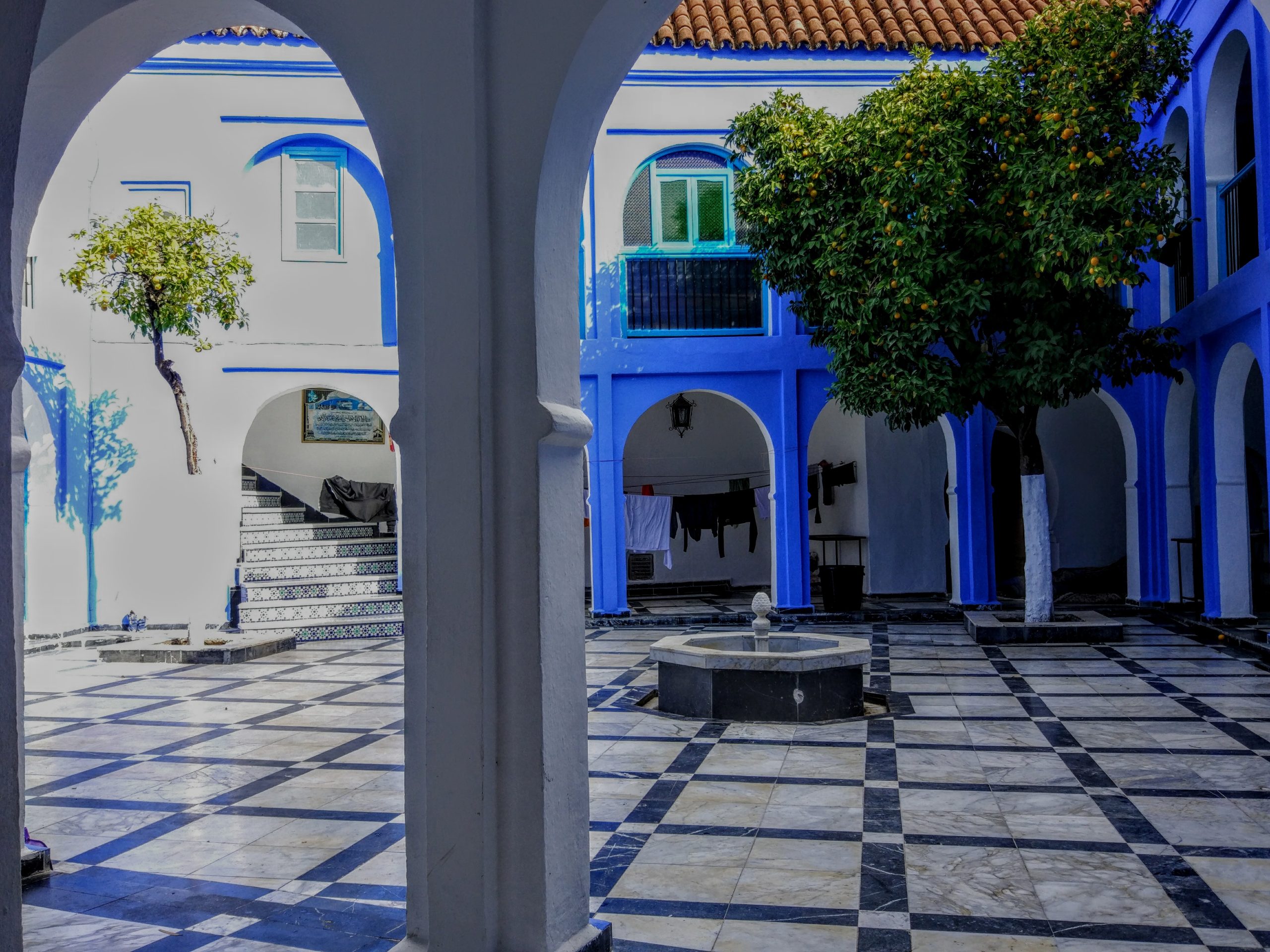
    Tucked into the folds of the Rif Mountains in northern Morocco, Chefchaouen is one of those rare places that looks exactly as extraordinary in person as it does in photographs. Every wall, doorway, staircase, and alleyway is painted in shades of blue, from soft powder to deep cobalt, creating a visual experience unlike anywhere else in the world. It is a town that seems designed for wandering, and it pairs beautifully with a Sahara desert adventure as either a beginning or a grand finale to your Moroccan journey.

    This guide covers everything you need to know about visiting Chefchaouen, including the history behind the blue, the best things to see and do, hiking opportunities in the surrounding mountains, practical travel tips, and how to seamlessly connect a Chefchaouen visit with a Sahara desert tour.

    The History Behind the Blue

    Chefchaouen was founded in 1471 by Moulay Ali ibn Rachid as a fortress to fight Portuguese invasions in northern Morocco. For centuries, it remained a largely isolated and forbidden city. Non-Muslims were not permitted to enter until the Spanish occupation in 1920, and when they did, they found a community that had been living quietly in the mountains for hundreds of years.

    The blue paint that defines the town today has several origin stories. The most widely accepted explanation ties it to the Jewish refugees who settled in Chefchaouen after fleeing Spain during the Inquisition in the 15th century. In Jewish tradition, blue represents the sky and heaven, and painting homes blue was a reminder of God’s presence. The tradition was adopted by the broader community and has been maintained and expanded ever since, partly for its cultural significance and partly because the blue paint is believed to repel mosquitoes and keep buildings cool.

    Whatever the reason, the result is magical. Walking through the medina feels like moving through a living painting, where the interplay of blue walls, green potted plants, and golden sunlight creates an atmosphere of extraordinary calm.

    Best Things to Do in Chefchaouen

    Wander the Medina

    The medina is the heart of Chefchaouen and the reason most visitors come. Unlike the medinas of Marrakech or Fez, Chefchaouen’s old town is small enough to explore without getting hopelessly lost and quiet enough to enjoy without feeling overwhelmed. Narrow lanes climb and descend the hillside, opening into small squares where locals sit and chat over glasses of mint tea.

    There is no specific route to follow. The beauty of the medina is in its surprises: a particularly striking doorway, a cat dozing on a blue step, a shaft of light illuminating a carved window frame. Let yourself wander and be rewarded.

    Visit the Kasbah and Plaza Uta el-Hammam

    The central square of Chefchaouen, Plaza Uta el-Hammam, is anchored by the 15th-century Kasbah, a walled fortress with a lovely Andalusian garden inside. The Kasbah houses a small ethnographic museum and a restored dungeon. Climbing the tower offers one of the best panoramic views of the medina and the mountains beyond.

    The plaza itself is lined with cafes and restaurants where you can sit, watch the world go by, and enjoy a tagine or a plate of pastilla. It is the natural gathering place of the town and a wonderful spot for people-watching.

    Explore the Grand Mosque

    Adjacent to the plaza stands the Grand Mosque of Chefchaouen, notable for its unusual octagonal minaret, a rare architectural feature in Morocco. Non-Muslims cannot enter the mosque, but the exterior and minaret are worth admiring, especially when lit by the soft light of early morning.

    Discover the Ras el-Maa Waterfall

    Follow the medina lanes uphill toward the eastern edge of town, and you reach Ras el-Maa, a small waterfall fed by mountain springs. It is not a dramatic cascade, but it holds genuine charm. Local women come here to do laundry, children play in the shallow pools, and the surrounding area offers lovely views of the red-roofed buildings against the green mountainside. It is also the starting point for several hiking trails into the Rif.

    Shop for Local Crafts

    Chefchaouen is known for its handwoven blankets, leather goods, and goat cheese. The artisan shops here are less aggressive than those in larger Moroccan cities, and prices are generally more reasonable. Woven wool blankets in traditional Rif Mountain patterns make particularly beautiful and portable souvenirs.

    The town is also famous for its round goat cheese, produced by local farmers and sold in the markets. Ask for jben, the fresh variety, which is tangy and delicious spread on bread.

    Best Photo Spots in Chefchaouen

    Chefchaouen is one of the most photogenic towns on Earth, and nearly every corner offers a picture-worthy scene. However, a few locations stand out.

    The Blue Stairs

    Scattered throughout the medina are staircases painted in vivid blue, often decorated with potted plants. The most photographed set is near the junction of Rue Targhi and Rue Kharrazin, where a series of steps climbs between blue walls adorned with colorful planters. Arrive early in the morning for the best light and the fewest other photographers.

    The Spanish Mosque Viewpoint

    For the definitive panoramic view of Chefchaouen, hike up to the old Spanish Mosque on the hill overlooking the town. The walk takes about 20 to 30 minutes from the medina and follows a clear path. The view from here, especially at sunset, is breathtaking: the entire blue medina spread below you, framed by the jagged peaks of the Rif Mountains. This is the photograph you see on magazine covers and Instagram feeds.

    Doorways and Details

    Beyond the grand views, Chefchaouen’s beauty lies in its details. Carved wooden doors painted in contrasting shades of blue, ornate iron knockers, hand-painted tiles, and arched passageways all reward close attention. A macro or detail-focused approach to photography works beautifully here.

    The Tanneries

    On the outskirts of the medina, small-scale leather tanneries operate using traditional methods. While less famous than the tanneries of Fez, they offer a more intimate and less touristic glimpse into traditional leatherworking. The dye pits, filled with natural colors, create striking visual compositions.

    Hiking in the Rif Mountains

    Chefchaouen is a gateway to outstanding hiking in the Rif Mountains, a range that stretches across northern Morocco with peaks exceeding 2,000 meters. The mountains around Chefchaouen are covered in cedar and pine forests, terraced farmland, and wildflower meadows, a sharp contrast to the arid landscapes of the south.

    Jebel el-Kelaa

    The twin-peaked mountain that towers directly above Chefchaouen offers a challenging but rewarding day hike. The trail begins near Ras el-Maa and climbs steeply through forest and scrubland to the summit at around 1,616 meters. From the top, you can see across the Rif range and, on clear days, all the way to the Mediterranean coast. Allow five to six hours for the round trip.

    The God’s Bridge (Pont de Dieu)

    A natural rock arch spanning a gorge, God’s Bridge is one of the most spectacular natural features near Chefchaouen. The hike from town takes roughly two hours each way and follows a well-marked trail through forests and along a river valley. The arch itself is massive and offers a dramatic setting for photographs.

    Talassemtane National Park

    This protected area southeast of Chefchaouen shelters one of the last remaining stands of Moroccan fir (Abies marocana), an endangered species found nowhere else on Earth. The park offers several marked hiking trails ranging from easy half-day walks to multi-day treks. Birdwatchers will appreciate the park’s population of raptors, including golden eagles and Bonelli’s eagles.

    Akchour Waterfalls

    Located about 30 kilometers from Chefchaouen within Talassemtane National Park, the Akchour waterfalls are a popular day trip. The trail follows a river gorge to a series of cascades and natural swimming pools. The main waterfall drops roughly 20 meters into a turquoise pool. The hike is moderate in difficulty and takes about two hours each way. In summer, the pools are popular swimming spots.

    Where to Stay in Chefchaouen

    Chefchaouen offers accommodation ranging from budget hostels to beautifully restored riads.

    Riads in the Medina

    The most atmospheric option is a riad, a traditional Moroccan house built around a central courtyard, converted into a guesthouse. Medina riads place you in the heart of the blue city, often with rooftop terraces offering stunning views. Rooms are typically decorated with local textiles and tilework. Prices are moderate by international standards, and the hospitality is generally warm and personal.

    Hotels Outside the Medina

    If you prefer more space, parking, or modern amenities, several hotels are located just outside the medina walls. These tend to offer larger rooms and easier access for vehicles, which is useful if you are arriving by car.

    Budget Accommodation

    Backpackers will find several hostels and budget guesthouses in and around the medina, with dormitory beds available at very reasonable prices. Even on a tight budget, you can find a clean room with a view in Chefchaouen.

    Local Cuisine and Where to Eat

    Chefchaouen’s food reflects its mountain setting and Rif cultural heritage. Dishes tend to be hearty and flavored with local herbs.

    Must-Try Dishes

    Chefchaouen is famous for its goat cheese, which appears in salads, sandwiches, and on its own with bread and olive oil. The town’s tagines often feature seasonal vegetables from the surrounding farmland, and the local take on bissara (a broad bean soup) is wonderfully comforting, especially after a morning hike.

    Freshly squeezed juices are available everywhere, with orange and avocado being the most popular choices. The mint tea here is as good as anywhere in Morocco.

    Recommended Dining Experiences

    Many restaurants in the medina offer rooftop seating with views of the blue walls and mountains. Eating on a rooftop terrace as the evening call to prayer echoes across the valley is one of those experiences that encapsulates the magic of Morocco.

    The small restaurants around Plaza Uta el-Hammam serve reliable Moroccan cuisine at fair prices. For a more local experience, seek out the smaller family-run eateries on the quieter lanes away from the main square, where the food is often more authentic and the prices lower.

    Combining Chefchaouen with a Sahara Desert Tour

    One of the most common questions travelers ask is whether they can visit both Chefchaouen and the Sahara on the same trip. The answer is absolutely yes, and doing so gives you the opportunity to experience Morocco’s remarkable geographic diversity, from green mountains and blue cities in the north to golden dunes and starlit deserts in the south.

    Chefchaouen Before the Desert

    Starting your trip with Chefchaouen works well if you are arriving in Morocco through Tangier (which has both ferry connections from Spain and an international airport) or Fez. Spend two or three days exploring the blue city and hiking in the Rif, then travel south to Fez or directly to the desert via the middle Atlas route.

    This itinerary has a natural narrative arc: you begin in the cool, lush mountains and gradually transition through the arid landscapes of the south until you reach the dramatic sand seas of the Sahara.

    Chefchaouen After the Desert

    Alternatively, many travelers visit the Sahara first and then unwind in Chefchaouen. After the intensity and vastness of the desert, the intimate lanes and shaded terraces of the blue city feel like a gentle exhale. This works particularly well if your departure point is Tangier or if you want to end your trip on a relaxed note.

    Getting from Chefchaouen to the Sahara

    The distance between Chefchaouen and the Erg Chebbi dunes near Merzouga is roughly 600 kilometers. There is no direct public transport, but several options exist. You can travel via Fez (around 4 hours by bus or shared taxi from Chefchaouen), where you connect with a desert tour departing southward. Alternatively, you can build a custom itinerary that includes both destinations with private transport, turning the journey itself into part of the adventure with stops at the Middle Atlas cedar forests, Ifrane, the Ziz Gorges, and other highlights along the way.

    Suggested Combined Itineraries

    A comfortable itinerary combining both destinations typically runs 8 to 12 days. A sample plan might include two days in Chefchaouen, one day traveling to Fez, one day in Fez, two days driving to the desert with stops along the way, two days in the Sahara, and then a return journey. You can explore our available tours and filter by duration and style to find an itinerary that fits your schedule.

    Practical Travel Tips for Chefchaouen

    Getting There

    Chefchaouen does not have an airport. The nearest airports are Tangier Ibn Battouta (about 2 to 3 hours by road) and Fez-Saiss (about 4 hours). From either city, you can reach Chefchaouen by shared taxi (grand taxi), CTM bus, or private transfer. The drive from either direction is scenic, passing through rolling farmland and forested mountains.

    If arriving from Spain by ferry, Tangier Med port is the closest entry point, roughly 2 hours from Chefchaouen by road.

    Best Time to Visit

    Chefchaouen is pleasant for much of the year, but the best months are April through June and September through November. Spring brings wildflowers and mild temperatures, while autumn offers warm days and clear skies. Summer (July and August) can be hot, though significantly cooler than southern Morocco. Winter is cool and sometimes rainy, with occasional snow on the higher peaks, but the town is quieter and atmospheric in a different way.

    How Long to Stay

    Two to three full days is ideal for most visitors. This gives you time to explore the medina thoroughly, hike to the Spanish Mosque and at least one mountain trail, eat well, shop at a relaxed pace, and soak in the atmosphere without feeling rushed.

    Language and Culture

    Arabic and Riffian Berber are the primary languages. French is widely spoken, and an increasing number of people in the tourism industry speak English and Spanish. The town is conservative by Moroccan standards, and modest dress is appreciated, particularly for women. Covering shoulders and knees is a respectful choice when walking through the medina.

    Safety

    Chefchaouen is generally considered one of the safest cities in Morocco for tourists. The medina is small and navigable, crime rates are low, and the local population is accustomed to visitors. Standard travel precautions apply: watch your belongings in crowded areas and be aware of your surroundings, but there is no need for special concern.

    Why Chefchaouen Belongs on Your Morocco Itinerary

    Chefchaouen offers something that few places can: a visual experience so unique that no photograph fully captures it, combined with the warmth and authenticity of a mountain town that has not been overwhelmed by tourism. Paired with a Sahara desert tour, it creates a Moroccan journey that encompasses the full spectrum of the country’s landscapes, cultures, and moods.

    Whether you start among the blue walls and end under the desert stars, or reverse the order and let the mountains be your gentle conclusion, the combination of Chefchaouen and the Sahara is one of the most rewarding travel experiences Morocco has to offer.

    Ready to plan a trip that combines the mountains and the desert? Browse our Sahara tours or contact us to design a journey that includes the Blue Pearl and the golden dunes.

  • Marrakech to Sahara: The Epic Road Trip Through Morocco’s Heart

    Marrakech to Sahara: The Epic Road Trip Through Morocco’s Heart

    The road from Marrakech to the Sahara Desert is one of the most spectacular overland journeys in the world. Over the course of roughly 560 kilometers, you cross the High Atlas Mountains through a dramatic mountain pass, descend into the arid landscapes of Morocco’s deep south, pass through a UNESCO World Heritage fortress, wind through gorges so narrow the sky becomes a sliver overhead, and finally arrive at the towering golden dunes of Erg Chebbi, where the Sahara begins in earnest.

    This is not simply a transfer from point A to point B. The journey itself is the experience. Every hour brings a new landscape, a new color palette, a new reason to stop the car and stand in awe. The route passes through some of Morocco’s most iconic scenery, from the snow-capped peaks of the Atlas to the rose-tinted cliffs of the Dades Valley, from the palm-filled oases of the Draa and Ziz Valleys to the otherworldly moonscapes of the Saharan fringe.

    Whether you have three days or a full week, this guide provides a detailed day-by-day itinerary for the Marrakech to Sahara road trip, along with practical tips for making the most of every stop along the way.

    Route Overview

    The classic Marrakech to Sahara route follows the N9 and N10 highways through the heart of southern Morocco. The journey can be completed in a single long day of driving (approximately eight to nine hours without stops), but this would mean missing the incredible sights along the way. The ideal pace is three to four days in each direction, allowing time to explore the major stops and absorb the changing landscapes at a comfortable pace.

    The key waypoints, in order from Marrakech, are:

    1. Tizi n’Tichka Pass (2,260 meters)
    2. Ait Ben Haddou (UNESCO World Heritage Site)
    3. Ouarzazate (the gateway to the desert)
    4. Skoura and the Valley of a Thousand Kasbahs
    5. Dades Valley and Dades Gorge
    6. Tinghir and Todra Gorge
    7. Erfoud and the Ziz Valley
    8. Merzouga and Erg Chebbi (the Sahara dunes)

    Each of these stops deserves its own time and attention. Let us walk through the journey day by day.

    Day 1: Marrakech to Ait Ben Haddou and Ouarzazate

    Distance: Approximately 190 km

    Driving time: 4-5 hours (with stops)

    Key stops: Tizi n’Tichka Pass, Ait Ben Haddou, Ouarzazate

    Crossing the High Atlas: Tizi n’Tichka Pass

    The journey begins with one of Morocco’s most exhilarating drives: the ascent of the High Atlas Mountains via the Tizi n’Tichka Pass. The N9 highway climbs steadily from Marrakech through increasingly dramatic terrain, switching back and forth through terraced hillsides, Berber villages clinging to steep slopes, and pine and juniper forests.

    At 2,260 meters, the pass itself offers panoramic views in every direction. On clear days, you can see the snow-capped peaks of the western High Atlas stretching toward the horizon. The air is noticeably cooler here, even in summer, and the shift in landscape from the green Haouz Plain to the bare, reddish rock of the southern slopes is striking.

    The road is well-maintained but winding, with numerous hairpin bends that demand careful attention. Along the way, you will pass through small villages where vendors sell minerals, fossils, and local crafts. A brief stop at the pass for photographs and fresh air is highly recommended before beginning the descent toward the south.

    Ait Ben Haddou: Morocco’s Most Famous Ksar

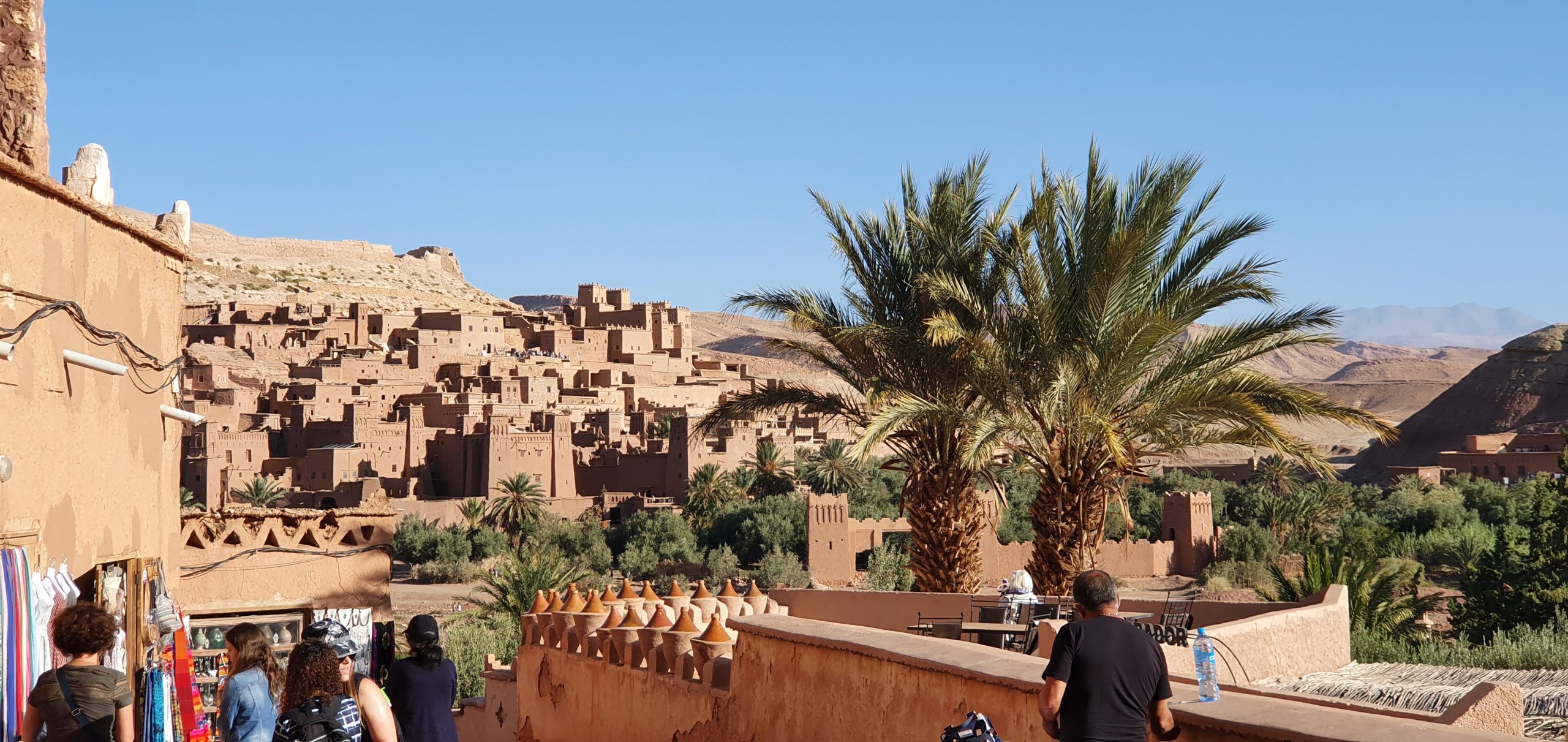
    Descending from the pass, the landscape transforms into the dry, ochre-toned terrain of the pre-Saharan south. The first major stop is Ait Ben Haddou, a fortified village (ksar) that has been designated a UNESCO World Heritage Site and has served as a filming location for numerous major films and television productions.

    The ksar rises from the banks of the Ounila River, its earthen towers and crenellated walls creating a skyline that looks like something from a fantasy novel. The site has been continuously inhabited for centuries, though most residents have now moved to the modern village across the river. Walking through the narrow lanes of the old ksar, climbing to the granary at the summit, and taking in the views of the surrounding valley is an essential experience.

    Plan to spend one to two hours exploring Ait Ben Haddou. The best light for photography is in the morning, when the ksar catches the golden light from the east. A local guide can add valuable context about the site’s history and architecture.

    Ouarzazate: Gateway to the Desert

    Continuing east from Ait Ben Haddou, you reach Ouarzazate, a modern town that serves as the administrative capital of the region and the primary gateway to Morocco’s deep south. Ouarzazate is known as the “Hollywood of Africa” due to its role as a major filming location, and the Atlas Studios on the outskirts of town are worth a visit for film enthusiasts.

    The Taourirt Kasbah in the center of town is another impressive example of southern Moroccan architecture. Built by the Glaoui dynasty in the 19th century, its decorated towers and intricate plasterwork provide a glimpse into the region’s feudal past.

    Ouarzazate is a natural place to spend the first night, with a good selection of hotels, riads, and restaurants. The town also has the last major supermarket and ATM facilities before the more remote stretches ahead, so stock up on any supplies you might need.

    Day 2: Ouarzazate to Dades Gorge

    Distance: Approximately 160 km

    Driving time: 3-4 hours (with stops)

    Key stops: Skoura, Valley of Roses, Dades Valley, Dades Gorge

    Skoura and the Valley of a Thousand Kasbahs

    Heading east from Ouarzazate along the N10, the road enters the Skoura Oasis, a vast palm grove dotted with crumbling kasbahs and fortified granaries. This area is known as the Valley of a Thousand Kasbahs, and the density of traditional architecture here is remarkable.

    The most impressive individual kasbah in the area is the Amerhidil Kasbah, a beautifully restored fortified house that is featured on the Moroccan 50-dirham banknote. Some kasbahs in the area have been converted into guesthouses, offering a unique accommodation option for those who want to linger.

    A walk through the palm grove is a wonderful way to experience this landscape. The irrigation channels, date palms, olive trees, and scattered kasbahs create a scene that has changed little in centuries.

    The Valley of Roses

    Continuing east, the road passes through El-Kelaa M’Gouna and the Valley of Roses. This region is famous for its Damascene rose cultivation, and in late April and early May, the valley erupts in pink blooms and the air is heavy with fragrance. The annual Rose Festival, held in May, is one of the most colorful events in southern Morocco.

    Even outside of rose season, the valley is beautiful, with its terraced fields, dramatic rock formations, and the distant snow-capped peaks of the Mgoun Massif providing a stunning backdrop. Rose water and rose oil products are available from cooperatives throughout the valley and make excellent souvenirs.

    Dades Valley and the Gorge

    The Dades Valley is one of the most scenically dramatic stretches of the entire route. The road follows the Dades River upstream into increasingly narrow and spectacular terrain. The valley walls rise steeply on either side, displaying layers of red, orange, and grey rock that have been sculpted by erosion into bizarre shapes, including formations known locally as “monkey fingers” for their resemblance to clusters of stone digits.

    The road into the gorge itself is one of the most thrilling drives in Morocco. A series of tight switchbacks climbs steeply up the gorge wall, offering vertiginous views down into the narrow canyon below. The switchback section, visible from a distance as a zigzag etched into the cliff face, has become one of the most photographed road features in the country.

    At the head of the gorge, the valley opens into a high plateau with scattered Berber villages and excellent hiking opportunities. Several small hotels and guesthouses along the gorge road offer accommodation with panoramic views, making this an ideal place to spend the second night.

    Day 3: Dades Gorge to Todra Gorge and Erfoud

    Distance: Approximately 170 km

    Driving time: 3-4 hours (with stops)

    Key stops: Tinghir, Todra Gorge, Erfoud, Ziz Valley

    Tinghir and the Approach to Todra

    Returning to the main road and continuing east, you reach Tinghir, a pleasant town set within a large and beautiful palm oasis. The view from the hillside above town, looking out over the green ribbon of the oasis stretching through the arid landscape, is one of the classic panoramas of southern Morocco.

    Tinghir serves as the gateway to Todra Gorge, one of the most spectacular natural features in Morocco and a highlight of any Marrakech to Sahara road trip.

    Todra Gorge: Walls of Stone

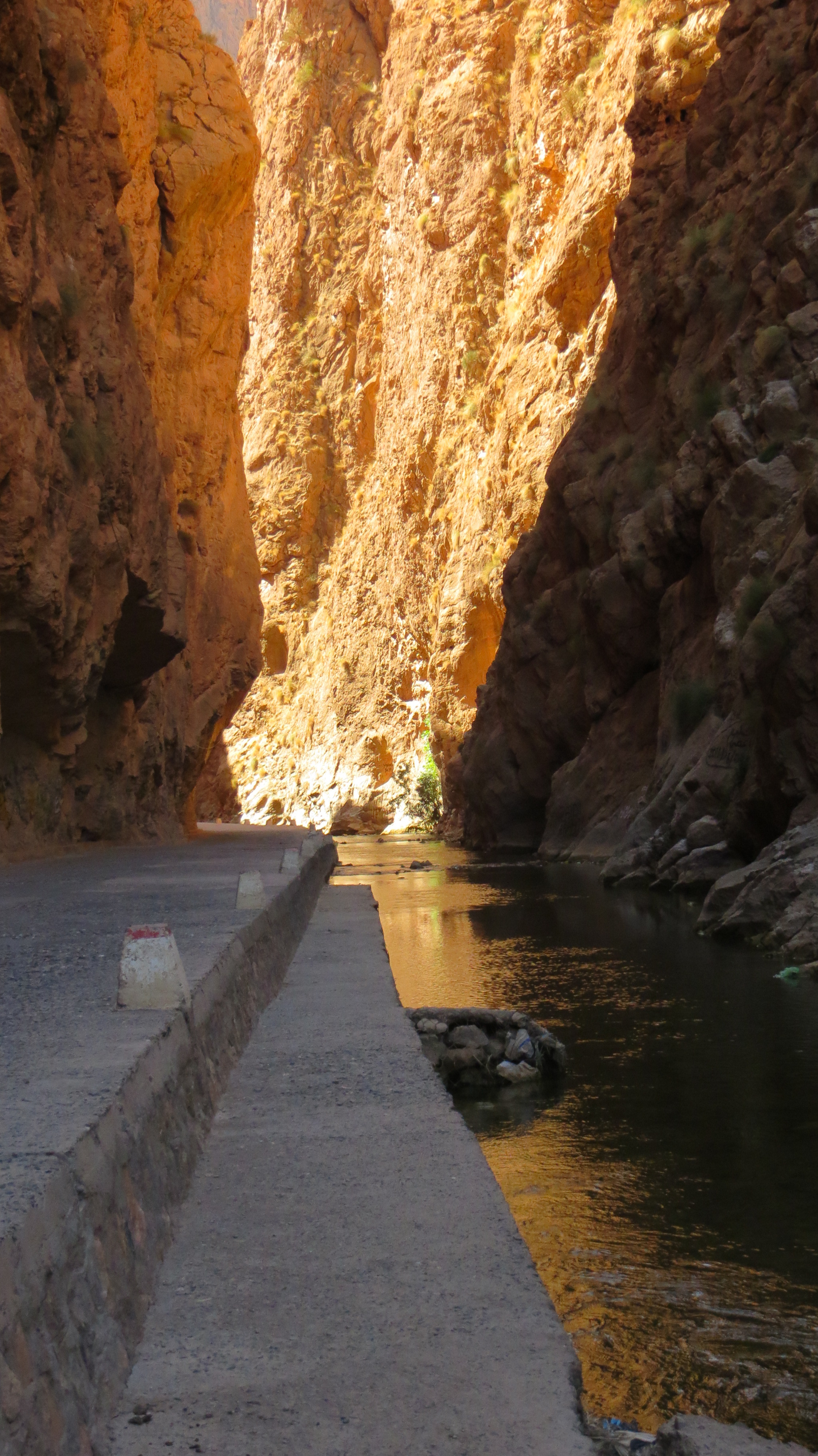
    Todra Gorge is a narrow canyon carved through the eastern High Atlas by the Todra River. At its narrowest point, the gorge is just 10 meters wide, with sheer limestone walls rising 300 meters on either side. The scale is breathtaking, and standing at the base of these towering cliffs is a humbling experience.

    The gorge is a popular destination for rock climbers, with routes of varying difficulty on the vertical and overhanging walls. For non-climbers, walking through the gorge on the paved road and along the river bed is equally rewarding. The light in the gorge changes throughout the day as the sun moves across the narrow opening overhead, creating dramatic shifts in color and shadow.

    There are several small cafes and hotels at the mouth of the gorge, and having lunch here with the canyon walls rising overhead is a memorable experience. Plan to spend one to two hours exploring the gorge before continuing your journey.

    The Ziz Valley and Erfoud

    From Tinghir, the road continues east toward Erfoud, passing through increasingly arid terrain that marks the transition from mountain to desert. The most scenic section is the descent through the Ziz Gorge, where the road drops through a narrow, red-walled canyon before emerging into the wide Ziz Valley.

    The Ziz Valley is one of Morocco’s largest oases, a green lifeline stretching through the desert fed by the river that flows from the Atlas Mountains. The contrast between the emerald palm groves and the barren, rocky desert surrounding them is striking.

    Erfoud is the last significant town before the Sahara. It is known as a center of the fossil trade, and the surrounding area is rich in Devonian-era marine fossils, particularly ammonites and trilobites. Fossil shops and workshops line the roads, and a visit to a fossil polishing workshop is an interesting way to understand the geological history of the region.

    Erfoud or the nearby town of Rissani, the historical capital of the Tafilalt oasis and the cradle of the Alaouite dynasty that still rules Morocco, make good bases for the night if you prefer a town setting. Alternatively, press on to Merzouga, just 50 kilometers further, to arrive at the dunes before sunset.

    Day 4: Merzouga and the Sahara

    Distance: Approximately 50 km from Erfoud

    Key experience: Erg Chebbi dunes, camel trek, desert camp

    Arrival at Erg Chebbi

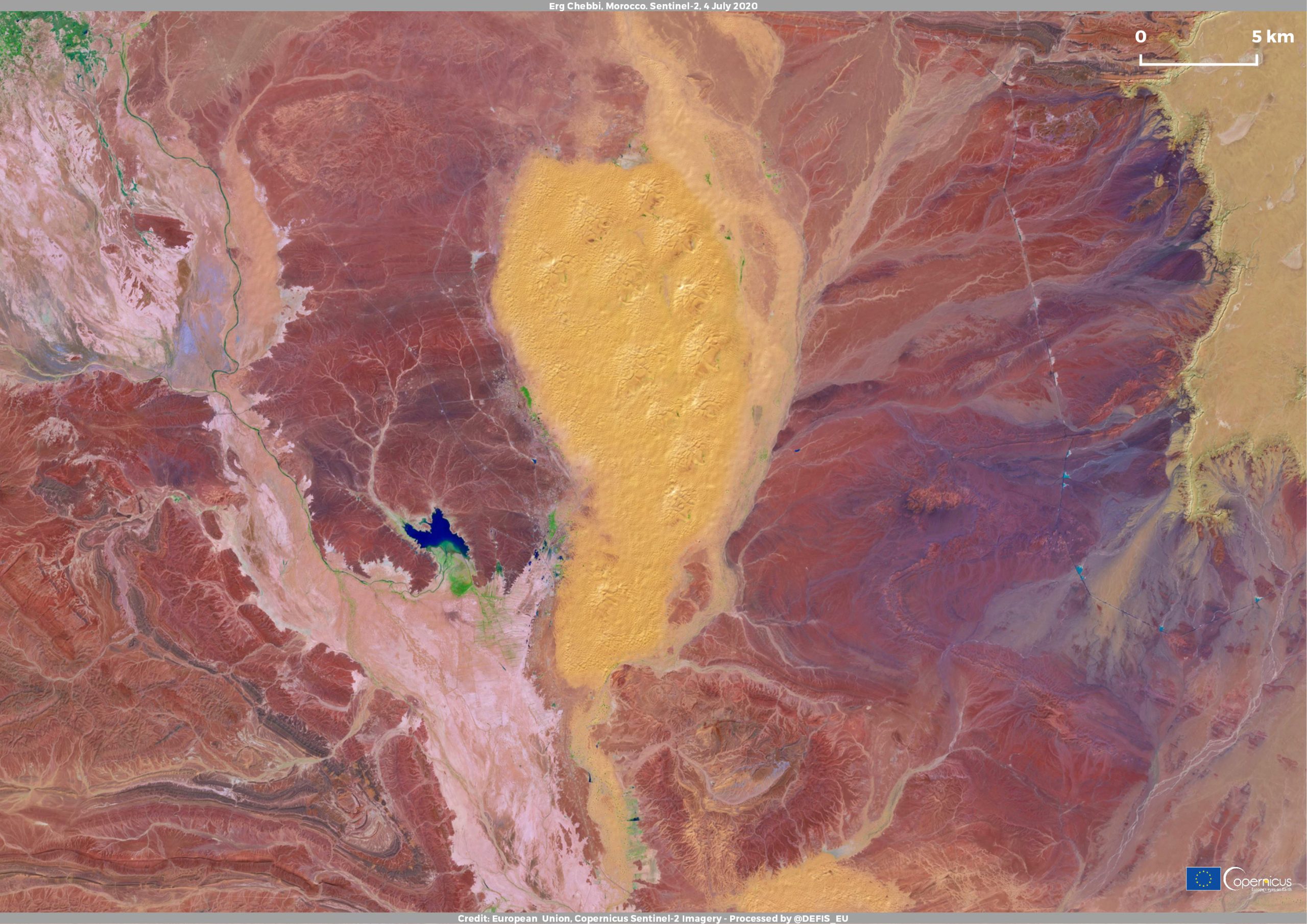
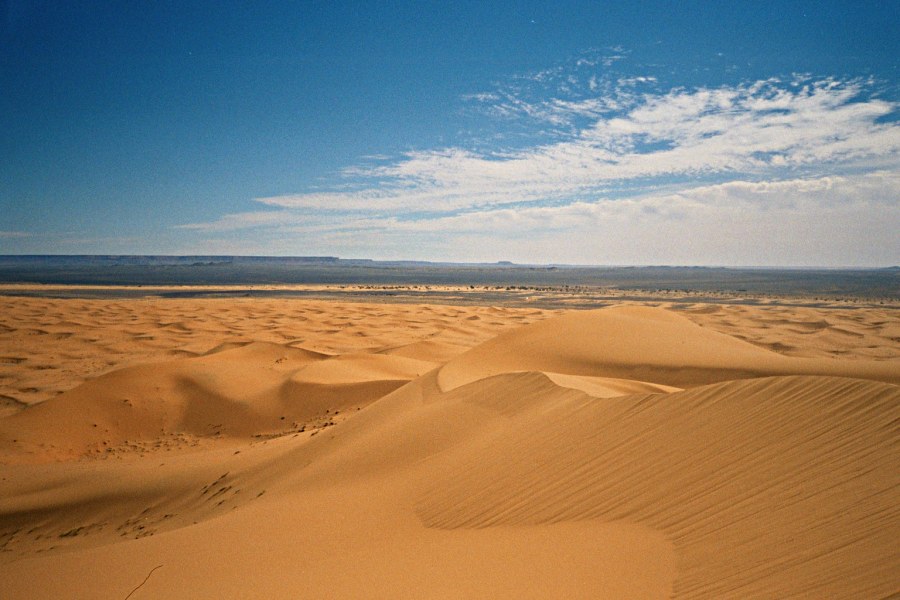
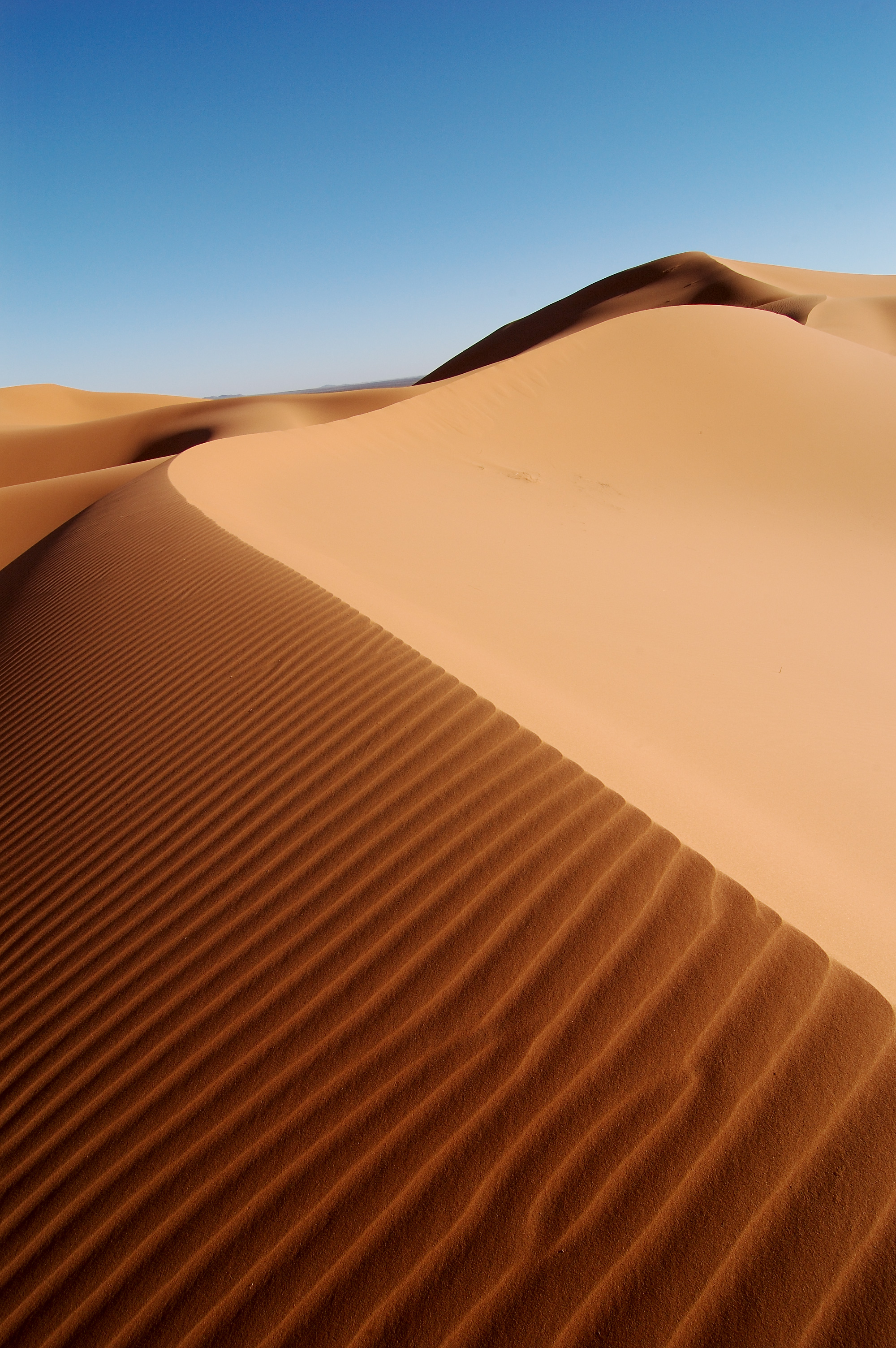
    The final stretch from Erfoud to Merzouga is a study in anticipation. The terrain flattens into a rocky desert plain known as hammada, and then, gradually, the dunes of Erg Chebbi appear on the eastern horizon. At first they seem like a mirage, a golden line shimmering above the flat ground. As you draw closer, their true scale becomes apparent. Erg Chebbi’s highest dunes reach 150 meters, and the entire dune field stretches roughly 22 kilometers from north to south and 5 kilometers from east to west.

    Merzouga, a small village on the western edge of the erg, serves as the base for desert excursions. From here, you can set out by camel, by 4×4, or on foot into the dunes for the experience that the entire journey has been building toward.

    The Camel Trek to Camp

    The classic Sahara experience begins in the late afternoon with a camel trek from the edge of the dunes into the heart of the erg. The journey takes approximately 90 minutes, and the rhythm of the camel’s gait, the silence of the desert, and the ever-changing play of light on the sand create a meditative atmosphere that washes away the memory of roads and vehicles.

    As you ride deeper into the dunes, the outside world disappears completely. There are no buildings, no roads, no sounds beyond the soft footfall of the camels and the occasional whisper of wind across sand. The feeling of remoteness and timelessness is extraordinary.

    Desert Camp and Night in the Sahara

    Arriving at camp as the sun begins its descent is a moment you will never forget. The dunes surrounding the camp glow in shades of gold, amber, and copper, and the sky transitions through a spectrum of colors that no photograph can fully capture.

    After settling into your tent, climb the nearest high dune to watch the final minutes of sunset. The view from the top, a 360-degree panorama of dunes extending to every horizon, is the defining image of the Sahara experience.

    The evening at camp unfolds at its own leisurely pace: a traditional dinner by candlelight, Berber music around the campfire, and then the main event: the night sky. With no light pollution for hundreds of kilometers, the stars in the Sahara are overwhelming in their density and brilliance. The Milky Way stretches from horizon to horizon, and the silence is absolute.

    The Return Journey: Options and Variations

    The return from the Sahara to Marrakech can follow the same route in reverse, but several variations add freshness and new experiences to the journey.

    The Northern Loop via the Ziz Gorge and Midelt

    Instead of returning directly to Ouarzazate, you can head north from Erfoud through the spectacular Ziz Gorge to the town of Midelt, then cross the Middle Atlas via Ifrane and continue to either Fez or Marrakech. This route adds variety and includes the cedar forests and lake landscapes of the Middle Atlas, a striking contrast to the arid south.

    The Southern Route via Draa Valley

    An alternative return route heads southwest from Ouarzazate through the Draa Valley, Morocco’s longest river valley and home to one of the most stunning palm oasis landscapes in the country. The road passes through Agdz, Zagora, and eventually reaches the desert fringes near M’Hamid, offering a completely different desert landscape from Erg Chebbi.

    Practical Tips for the Road Trip

    Driving Conditions

    The main roads along the Marrakech to Sahara route (N9, N10, and connecting national roads) are generally well-maintained and suitable for standard vehicles. The road through Tizi n’Tichka and the switchbacks into Dades Gorge require careful driving due to tight curves and occasional slow-moving trucks, but they are fully paved and manageable for confident drivers.

    A 4×4 vehicle is not necessary for the main route but is required for off-road excursions and for reaching some remote areas around Merzouga. If you plan to drive into the dunes themselves, a 4×4 with experienced driving is essential, as even a few meters of soft sand can immobilize a standard vehicle.

    Fuel and Supplies

    Fill your tank whenever you pass a fuel station, particularly in the southern sections where distances between towns are greater. Ouarzazate, Tinghir, and Erfoud all have reliable fuel stations. Carry drinking water in the vehicle, especially during warmer months, and bring snacks for the longer stretches between stops.

    Best Time to Drive the Route

    The route is accessible year-round, but the most comfortable conditions are found between October and April, when temperatures in the desert south are manageable and the Atlas passes are usually clear. Winter can bring snow to Tizi n’Tichka, occasionally closing the pass for short periods, so check conditions in advance during December through February.

    Summer driving is possible but demanding, with temperatures in the desert regularly exceeding 40 degrees Celsius. If traveling in summer, start driving early in the morning, rest during the midday heat, and ensure your vehicle’s air conditioning is functioning well.

    Guided vs. Self-Drive

    While the route can be driven independently, many travelers choose to join an organized tour that handles all logistics, including transportation, accommodation, meals, and expert guidance at each stop. This approach allows you to fully relax and absorb the experience without the stress of navigation, parking, and finding accommodation in unfamiliar towns.

    At Duna Daurada, our Marrakech to Sahara tours cover all the highlights described in this guide, with knowledgeable local guides who bring each stop to life with context, stories, and access to experiences that independent travelers might miss. We offer group departures as well as private custom tours that can be tailored to your pace, interests, and preferred accommodation level.

    Beyond the Road: Activities Along the Way

    The Marrakech to Sahara route is more than a scenic drive. It is a corridor of activities and experiences that include hiking in the Dades and Todra Gorges, visiting traditional Berber villages, exploring kasbahs and fortified granaries, shopping for local crafts and fossils, and of course, the camel trekking, sandboarding, and stargazing that await in the Sahara itself.

    For travelers who want to extend their adventure, options include multi-day treks in the High Atlas, overnight stays in remote Berber villages, cooking classes with local families, and extended desert camping expeditions deeper into the Sahara.

    A Journey That Defines Morocco

    The road from Marrakech to the Sahara is more than a travel route. It is a narrative arc that takes you through the full spectrum of Moroccan landscapes, cultures, and experiences. From the bustling energy of Marrakech to the profound silence of the desert, from the green valleys of the Atlas to the golden expanse of Erg Chebbi, this journey reveals Morocco in all its diversity and beauty.

    It is the kind of trip that stays with you long after you return home, one that reshapes your understanding of what landscape can be and what travel can offer. The images you carry back, both in your camera and in your memory, will be among the most vivid and cherished of your life.

    Find the perfect tour for your Marrakech to Sahara adventure and let us help you experience this extraordinary journey. Or reach out to our team to start planning a trip that is perfectly tailored to your interests and schedule.

  • The Ultimate Guide to Planning Your Sahara Desert Tour in Morocco

    The Ultimate Guide to Planning Your Sahara Desert Tour in Morocco

    Morocco’s Sahara Desert is one of the most awe-inspiring landscapes on Earth. Towering golden dunes, endless starlit skies, and the silence of a world untouched by modern noise draw thousands of travelers each year. But planning a Sahara desert tour in Morocco can feel overwhelming if you have never done it before. Which route should you take? How many days do you need? What should you pack? And how do you separate a genuine, immersive experience from a rushed tourist trap?

    This comprehensive guide answers every question you might have. Whether you are a solo backpacker, a couple seeking romance under the stars, or a family looking for adventure, you will find actionable advice here to help you design the Sahara trip of a lifetime.

    Why Visit the Moroccan Sahara?

    The Sahara is not just sand. It is a living, breathing landscape that has shaped cultures, trade routes, and civilizations for millennia. When you visit the Moroccan Sahara, you step into a world where Berber nomads have navigated by the stars for centuries, where camel caravans once carried gold and salt across impossible distances, and where the sky at night reveals more stars than you thought existed.

    Beyond the visual spectacle, a desert tour offers something increasingly rare in modern travel: genuine disconnection. With no cell signal and no artificial light, the desert invites you to slow down, breathe deeply, and experience the world at a pace that our ancestors would recognize.

    The Moroccan side of the Sahara is particularly accessible. Excellent infrastructure, well-established tour operators, and a long tradition of welcoming visitors make it one of the easiest places in the world to experience a true desert adventure.

    Choosing Your Desert Destination: Erg Chebbi vs. Erg Chigaga

    Morocco offers two major sand sea destinations, and understanding the difference between them is the first step in planning your trip.

    Erg Chebbi (Merzouga)

    Erg Chebbi, located near the small town of Merzouga in southeastern Morocco, is the most popular desert destination in the country. The dunes here reach heights of up to 150 meters and stretch across an area roughly 22 kilometers long and 5 kilometers wide. The sand takes on vivid shades of gold and orange, especially at sunrise and sunset.

    Erg Chebbi is easier to reach than Erg Chigaga, with paved roads running all the way to Merzouga. This accessibility makes it ideal for travelers with limited time or those who want a comfortable base from which to explore. The town of Merzouga has a range of accommodation options, from budget guesthouses to luxury desert camps.

    Erg Chigaga (M’Hamid)

    Erg Chigaga is the larger and more remote of the two sand seas. Located about 60 kilometers from the town of M’Hamid El Ghizlane, it requires a 4×4 vehicle or a multi-day camel trek to reach. The dunes here are slightly lower than Erg Chebbi but spread across a much wider area, creating a sense of boundless emptiness.

    If you are looking for solitude and a wilder desert experience, Erg Chigaga is the better choice. It attracts fewer visitors and feels more rugged and untamed. However, the extra travel time and logistics mean you will need at least three days to do it justice.

    For most first-time visitors, we recommend Erg Chebbi for its combination of accessibility, stunning scenery, and variety of experiences. Browse our desert tours to see itineraries that cover both destinations.

    How to Get to the Sahara Desert

    From Marrakech

    The most common starting point for a Sahara desert tour is Marrakech. The drive to Merzouga takes approximately 9 to 10 hours via the N10 highway, crossing the High Atlas Mountains through the Tizi n’Tichka pass. Most tours break this journey into two days, stopping overnight in the Dades Valley or Todra Gorge area.

    The route itself is spectacular. You will pass through Berber villages clinging to mountainsides, cross dramatic gorges, and watch the landscape transform from green valleys to arid steppe to golden sand.

    From Fes

    Fes is the second most popular departure point, with the drive to Merzouga taking roughly 8 hours. The route passes through the Middle Atlas cedar forests (home to Barbary macaques), the town of Midelt, and the Ziz Valley with its stunning palm-lined gorge. This route is slightly less traveled and offers a different perspective on Morocco’s diversity.

    From Ouarzazate

    If you are already in southeastern Morocco, Ouarzazate is about 5 hours from Merzouga. This is a good option if you have been visiting the Ait Benhaddou kasbah or the film studios.

    Flying

    The nearest airport to Merzouga is Errachidia, about 130 kilometers away. There are occasional domestic flights from Casablanca, though schedules can be irregular. Most travelers find the overland route more practical and far more scenic.

    Types of Sahara Desert Tours

    Understanding the different tour formats will help you choose the experience that matches your interests, fitness level, and budget.

    Overnight Camel Trek (1-2 Nights)

    This is the most popular option and an excellent choice for first-time visitors. You ride a camel from the edge of the dunes to a desert camp, spend the night under the stars, and ride back at sunrise. The trek typically takes 1 to 1.5 hours each way, covering about 5 to 7 kilometers.

    One-night treks offer a taste of the desert. Two-night treks allow you to venture deeper into the dunes and spend a full day exploring on foot, sandboarding, or simply absorbing the silence.

    Multi-Day Camel Expedition (3-7 Days)

    For those who want a deeper immersion, multi-day camel treks follow traditional nomadic routes through the desert. You camp in different locations each night, visit remote oases, and experience the rhythm of desert travel as it has been practiced for centuries.

    These longer treks are physically more demanding but incredibly rewarding. They are best suited for adventurous travelers who are comfortable with basic camping conditions.

    4×4 Desert Safari

    If camel riding is not your preference, 4×4 tours offer an exciting alternative. You cover more ground, visit multiple landscapes in a single day, and can access remote areas that would take days to reach on camelback.

    Many travelers combine a 4×4 safari with a shorter camel ride to get the best of both worlds.

    Luxury Desert Experience

    For those who want the magic of the desert without roughing it, luxury camps offer an unforgettable experience. Think private tented suites with real beds, en-suite bathrooms, gourmet dinners under the stars, and personalized service.

    If you have specific preferences or want to combine several of these options, consider building a custom tour tailored to your group.

    What to Pack for Your Sahara Desert Tour

    Packing correctly can make the difference between a comfortable adventure and a miserable one. The desert environment is extreme, with hot days, cold nights, and sand that gets into everything.

    Clothing Essentials

    • Layers: Temperatures can swing from above 40 degrees Celsius during summer days to below 5 degrees Celsius on winter nights. Layering is essential regardless of the season.
    • Long, loose clothing: Light cotton or linen trousers and long-sleeved shirts protect against sun and sand without overheating you.
    • A warm jacket or fleece: Even in summer, desert nights can be surprisingly chilly. In winter, you will want a proper warm layer.
    • A scarf or cheche: The traditional Saharan headscarf serves multiple purposes. It protects against sun, wind, and blowing sand. Your guide will likely offer you one and show you how to wrap it.
    • Sturdy sandals or closed shoes: You need footwear that can handle both sand and rocky terrain. Many travelers bring both sandals for camp and closed shoes for trekking.

    Practical Items

    • Sunscreen (SPF 50+): The desert sun is intense, and there is no shade.
    • Sunglasses: Essential for protecting your eyes from glare and sand.
    • A headlamp or small flashlight: Desert camps have limited lighting, and you will need this for navigating at night.
    • A refillable water bottle: Staying hydrated is crucial. Most tours provide water, but having your own bottle is always wise.
    • A small daypack: Useful for carrying essentials during camel rides and hikes.
    • Camera and extra batteries: Cold night temperatures drain batteries faster than normal. Keep spare batteries warm in your sleeping bag.

    What to Leave Behind

    Avoid bringing large suitcases. Most tours transfer your main luggage by vehicle and provide saddlebags for essentials during the camel trek. Pack light and focus on practical items.

    Budget Tips for Your Sahara Desert Tour

    Desert tours range widely in price, and understanding what drives costs will help you get the best value.

    What Affects the Price

    • Duration: Longer tours cost more but often offer better per-day value.
    • Accommodation type: Luxury camps with private facilities cost significantly more than shared Berber tents.
    • Group size: Private tours are more expensive than shared group tours, but they offer flexibility and a more personal experience.
    • Season: Peak season (October to April) generally commands higher prices.
    • Inclusions: Some tours include all meals, activities, and transport, while others have additional costs for optional experiences.

    How to Save Money

    • Travel in shoulder season: Late September and early May offer good weather with lower prices.
    • Join a small group tour: Sharing costs with other travelers reduces the per-person price without sacrificing quality.
    • Book directly with a local operator: Cutting out international middlemen can save you 20 to 40 percent.
    • Be flexible with dates: Midweek departures are sometimes cheaper than weekend ones.

    Use our tour finder to compare options and find the itinerary that fits your budget.

    Health and Safety in the Desert

    The Sahara is a safe destination, but it demands respect. A few common-sense precautions will keep you healthy and comfortable.

    Hydration

    Drink more water than you think you need. The dry desert air causes dehydration even when you do not feel thirsty. Aim for at least 3 liters per day, and more if you are physically active.

    Sun Protection

    Heat exhaustion and sunburn are the most common health concerns for desert visitors. Wear a hat, apply sunscreen frequently, and seek shade during the hottest part of the day (roughly 12:00 to 15:00).

    Physical Preparation

    Camel riding uses muscles you may not be accustomed to using. If you are planning a multi-day trek, some basic fitness preparation in the weeks before your trip will make the experience more enjoyable. Walking, light stretching, and core exercises are all helpful.

    Medical Considerations

    Bring any prescription medications you need, along with basic first aid supplies. The nearest hospitals to Merzouga are in Errachidia (about 130 km) and Rissani (about 35 km). Reputable tour operators carry first aid kits and have emergency communication equipment.

    Making the Most of Your Desert Experience

    Beyond the camel rides and dune views, the Sahara offers experiences that many travelers overlook.

    Stargazing

    With virtually zero light pollution, the Sahara offers some of the best stargazing in the world. On a clear night, you can see the Milky Way in stunning detail, spot shooting stars, and identify constellations that are invisible from urban areas. Check our activities page for stargazing tours and astronomy-focused experiences.

    Cultural Encounters

    Spending time with Berber families and nomadic communities is one of the most meaningful parts of a desert tour. Sharing mint tea, listening to traditional Gnawa music around a campfire, and learning about desert survival skills offer windows into a way of life that has endured for thousands of years.

    Photography

    The desert is a photographer’s paradise. Golden hour light transforms the dunes into sculpted waves of color, and the contrast between shadow and light creates dramatic compositions. Wake up early for sunrise shoots, and stay up late for astrophotography.

    Sandboarding

    For the adventurous, sandboarding down the dunes of Erg Chebbi is an exhilarating experience. It is similar to snowboarding but on sand, and no prior experience is necessary.

    Planning Your Itinerary: Sample Timelines

    3-Day Desert Tour (Most Popular)

    • Day 1: Depart from Marrakech or Fes, scenic drive through Atlas Mountains or Ziz Valley, overnight in Dades Valley or similar.
    • Day 2: Continue to Merzouga, afternoon camel trek into Erg Chebbi, sunset from the dunes, overnight in desert camp.
    • Day 3: Sunrise over the dunes, camel ride back, return journey or continue to Fes/Marrakech.

    5-Day Extended Tour

    Adds time for exploring Todra Gorge, visiting Berber villages, and potentially a second night in the desert for a deeper immersion.

    7-Day Comprehensive Tour

    Combines the desert experience with visits to Ait Benhaddou, the Draa Valley, and either Marrakech or Fes, offering a complete southeastern Morocco experience.

    Booking Your Sahara Desert Tour

    The key to a great desert experience is choosing the right operator. Look for companies with local knowledge, experienced guides, and a commitment to responsible tourism.

    At Duna Daurada, we specialize in authentic Sahara experiences that respect both the environment and local communities. Our guides are local Berbers who grew up in the desert and know it intimately. Whether you want a quick overnight adventure or a week-long expedition, we can help you design the perfect trip.

    Ready to start planning? Browse our available tours, use our tour finder to match your preferences, or contact us directly to discuss your dream desert adventure.

    Final Thoughts

    A Sahara desert tour is more than a holiday. It is an experience that changes how you see the world. The vastness of the dunes, the warmth of Berber hospitality, and the clarity of a sky full of stars stay with you long after you have returned home. With the right preparation and the right guide, your Morocco desert trip will be one of the most memorable journeys of your life.

    Take the first step today. The desert is waiting.