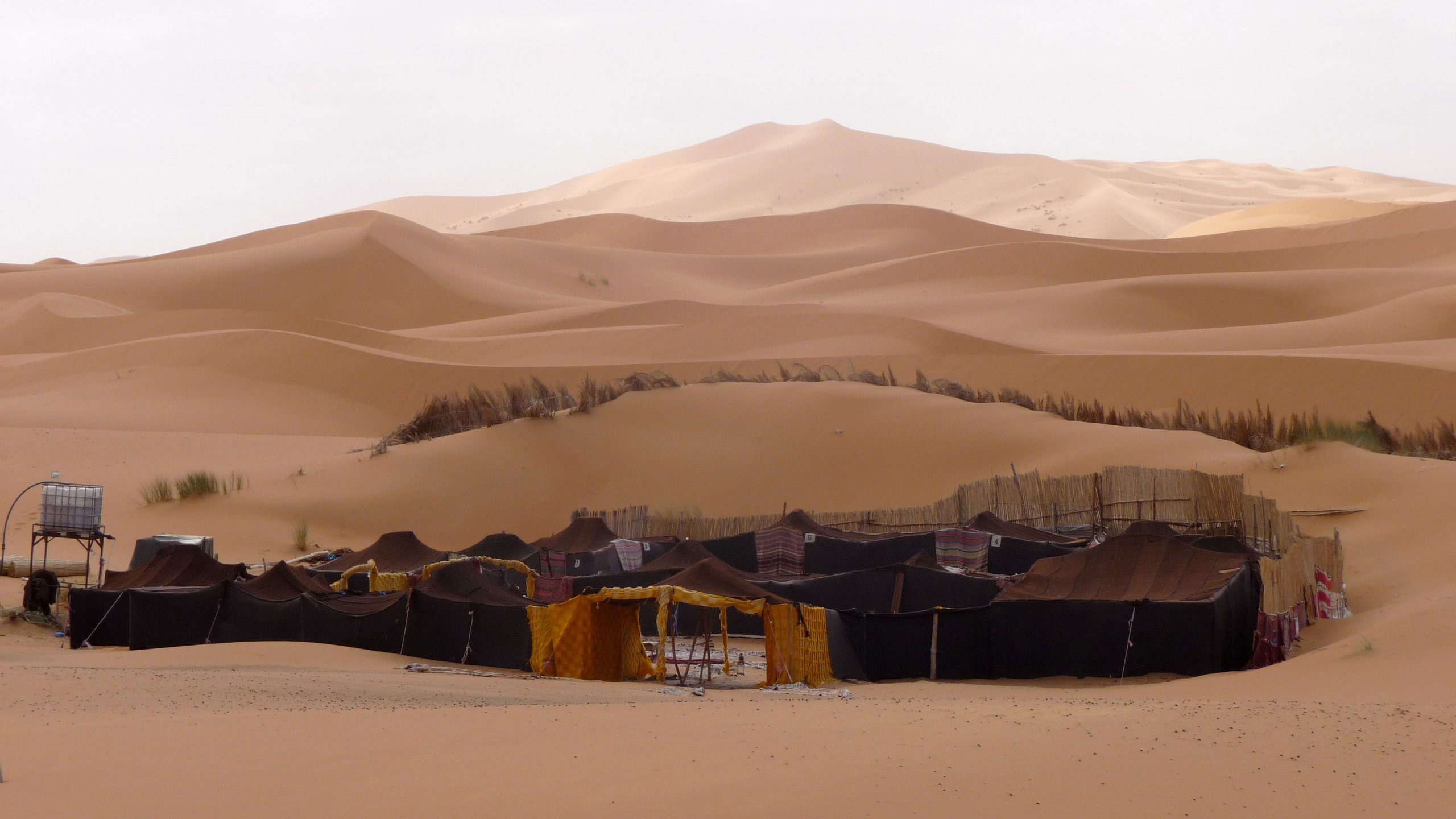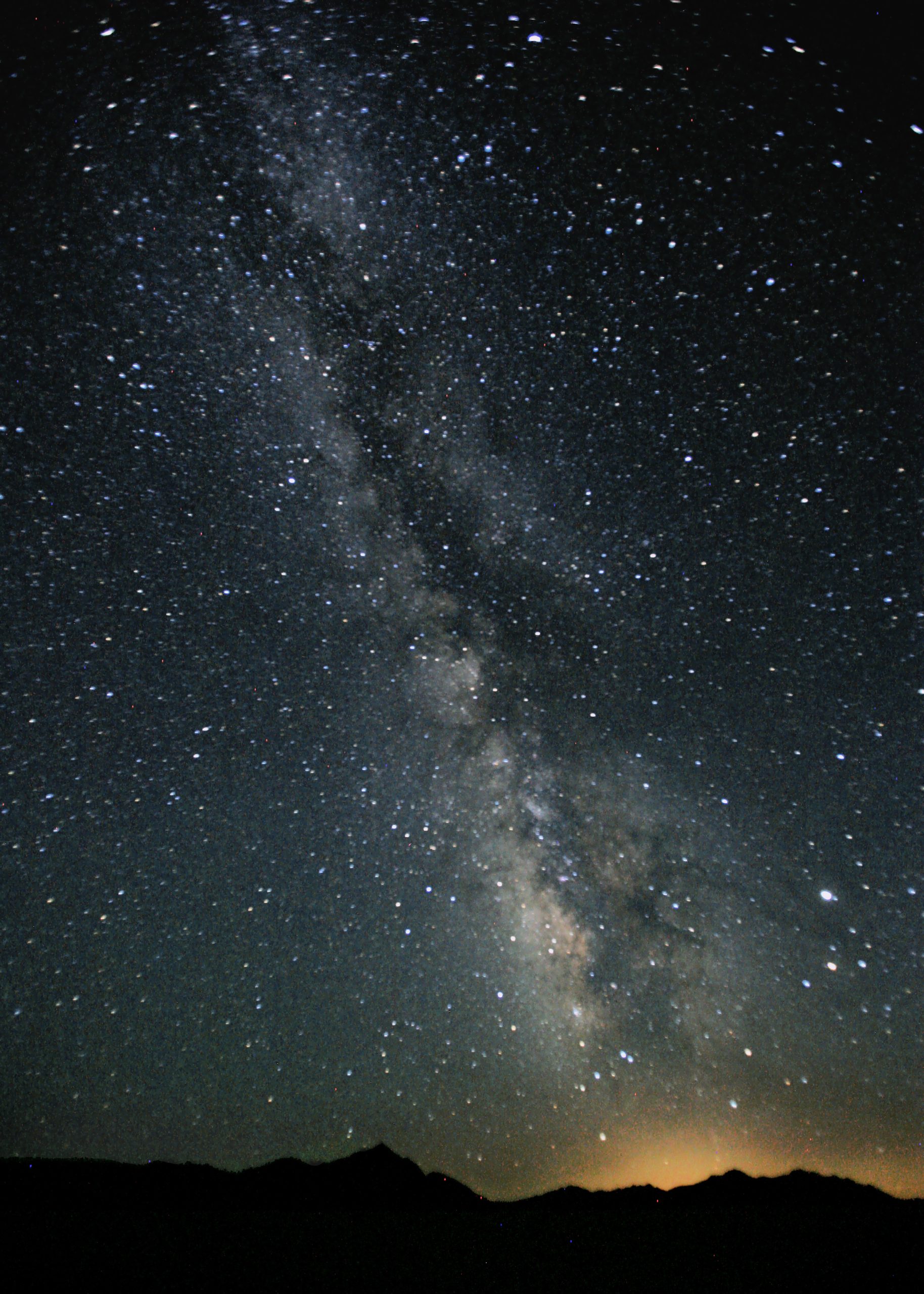
There are few experiences on Earth that humble a traveler quite like lying on a sand dune in the Sahara Desert and looking up. The night sky erupts into a spectacle so dense with stars that first-time visitors often gasp audibly. The Milky Way stretches from horizon to horizon like a luminous river, shooting stars streak across the darkness every few minutes, and constellations that are invisible from city skies reveal themselves with breathtaking clarity.
Morocco’s Sahara Desert, particularly the Erg Chebbi dune field near Merzouga, is rapidly becoming one of the world’s premier stargazing destinations. With minimal light pollution, dry atmospheric conditions, and high-altitude desert terrain, the conditions here rival those of Chile’s Atacama Desert or Hawaii’s Mauna Kea. But unlike those remote observatories, the Sahara offers something more: a cultural and sensory experience that connects you to thousands of years of human wonder beneath the same ancient sky.
In this guide, we cover everything you need to know about stargazing in the Sahara, from the science behind why the desert sky is so spectacular to practical tips on equipment, timing, and the Berber star legends that have been passed down through generations.
Why the Sahara Desert Is Perfect for Stargazing
Minimal Light Pollution
The single most important factor for quality stargazing is the absence of artificial light. The Sahara Desert is one of the largest and most sparsely populated regions on the planet. Once you venture beyond the small towns at the desert’s edge, there are virtually no electric lights for hundreds of kilometers in every direction. This means the sky achieves what astronomers call a “Bortle Class 1” rating, the darkest possible classification on the scale used to measure sky quality.
In contrast, most European and North American cities register at Bortle Class 7 or 8, where only the brightest stars and planets are visible. In the Sahara, the difference is not subtle. You can see between 2,000 and 4,000 stars with the naked eye on a clear night, compared to just a few hundred from a typical urban area.
Dry, Clear Atmosphere
Morocco’s desert climate is characterized by extremely low humidity and minimal cloud cover, especially during the prime stargazing months. Water vapor in the atmosphere scatters and absorbs light, which is why humid coastal regions rarely offer pristine skies. The Sahara’s arid conditions mean that starlight travels through less atmospheric interference before reaching your eyes, resulting in sharper, brighter stars and better contrast against the dark sky.
High Altitude Advantage
The desert terrain around Merzouga and Erg Chebbi sits at approximately 700 to 900 meters above sea level. While not as extreme as mountain observatories, this elevation means less atmosphere to look through, further improving visibility. The flat, open terrain also provides an unobstructed 360-degree view of the horizon, a luxury that mountains, forests, and buildings deny to most observers.
Stable Atmospheric Conditions
Desert environments tend to have lower atmospheric turbulence at night compared to coastal or forested regions. This stability, known in astronomical terms as “good seeing,” means that stars appear as steady points of light rather than twinkling, flickering objects. For astrophotographers and telescope users, this translates into sharper images and more detailed views of planets, nebulae, and galaxies.
What You Can See in the Sahara Night Sky
The Milky Way
The centerpiece of any Sahara stargazing experience is the Milky Way. Our home galaxy appears as a broad, luminous band arching across the entire sky, with enough detail visible to the naked eye that you can distinguish dark dust lanes, bright star clouds, and the dense galactic core in the direction of the constellation Sagittarius. During summer months, the Milky Way is particularly dramatic, rising nearly overhead with its brightest regions on full display.
Constellations and Bright Stars
The Sahara’s latitude, around 31 to 33 degrees north, provides access to a wide range of constellations from both the northern and parts of the southern celestial hemisphere. Key constellations and stars to look for include:
- Orion (winter months): One of the most recognizable constellations, with its distinctive three-star belt and the bright stars Betelgeuse and Rigel. The Orion Nebula is visible as a fuzzy patch below the belt.
- Scorpius (summer months): A dramatic constellation with the red supergiant Antares at its heart, sprawling across the southern sky near the Milky Way’s core.
- Cassiopeia: A distinctive W-shaped pattern visible year-round in the northern sky, used for millennia as a navigation aid.
- The Pleiades (autumn and winter): This open star cluster, also known as the Seven Sisters, appears as a small, jewel-like grouping that is stunning through binoculars.
- Leo and Virgo (spring): These zodiacal constellations dominate the spring sky and lie near several galaxies visible through small telescopes.
- The Southern Cross (Crux): While primarily a southern hemisphere constellation, its uppermost stars can occasionally be glimpsed just above the southern horizon from the Sahara during certain months, a rare treat for northern hemisphere observers.
Planets
Depending on the time of year, several planets may be visible. Venus and Jupiter are the brightest, often appearing as brilliant “stars” near the horizon during evening or morning hours. Mars, with its distinctive reddish hue, and Saturn, whose rings can be resolved through even a modest telescope, are also frequent visitors to the desert sky.
Meteor Showers
The Sahara is an exceptional location for watching meteor showers because the dark skies allow you to see even the faintest streaks. Major meteor showers to plan around include:
- Perseids (mid-August): One of the most reliable showers, producing 60 to 100 meteors per hour at peak.
- Geminids (mid-December): Often considered the best annual meteor shower, with bright, colorful meteors and rates exceeding 100 per hour.
- Lyrids (mid-April): A moderate shower that can produce occasional bright fireballs.
- Eta Aquarids (early May): Debris from Halley’s Comet, best viewed in the pre-dawn hours.
Deep Sky Objects
With the naked eye alone, you can spot the Andromeda Galaxy (M31) as a faint, elongated smudge, the most distant object visible without optical aid at 2.5 million light-years away. Binoculars or a small telescope open up dozens of additional targets, including the Orion Nebula (M42), the Lagoon Nebula (M8), the Hercules Cluster (M13), and the Ring Nebula (M57).
Best Months for Sahara Stargazing
Peak Season: March to May and September to November
The ideal stargazing months balance clear skies, comfortable nighttime temperatures, and interesting celestial targets. Spring (March through May) and autumn (September through November) offer the best combination. Temperatures drop to a pleasant 10 to 18 degrees Celsius at night, skies are consistently clear, and the Milky Way is either rising or setting in dramatic fashion.
Summer: June to August
Summer provides the most spectacular Milky Way views, as the galactic core is highest in the sky during these months. However, daytime temperatures can exceed 45 degrees Celsius, and even nights remain warm at 25 to 30 degrees. The Perseid meteor shower in August makes this period particularly appealing for dedicated stargazers willing to endure the heat.
Winter: December to February
Winter skies feature Orion prominently and the Geminid meteor shower in December is world-class. Nighttime temperatures can drop below 5 degrees Celsius, so warm layers are essential. The trade-off is that winter nights are the longest, giving you more hours of darkness for observation.
Moon Phase Matters
Regardless of the month you choose, the moon phase is the single most important factor in sky quality. A full moon washes out all but the brightest stars and completely obscures the Milky Way. Plan your desert trip around the new moon (when the moon is absent from the night sky) or during the first few days of the crescent moon, which sets early in the evening and leaves the rest of the night dark. Check a lunar calendar before booking your Sahara desert tour to ensure optimal conditions.
Essential Equipment for Desert Stargazing
What to Bring
- Red-light headlamp or flashlight: Red light preserves your night vision, which takes 20 to 30 minutes to fully develop. A white flashlight will destroy your dark adaptation instantly and disturb other observers.
- Binoculars: A pair of 7×50 or 10×50 binoculars is the single best stargazing investment. They gather far more light than the naked eye, revealing star clusters, nebulae, and the detailed structure of the Milky Way. They are lightweight, require no setup, and do not need power.
- Star chart or app: A printed star chart (which does not emit light) or a smartphone app with a red-light mode (such as SkySafari or Stellarium) will help you identify what you are looking at. Turn your phone brightness to minimum and use the app’s night mode.
- Camera and tripod (for astrophotography): A DSLR or mirrorless camera with manual settings, a wide-angle lens (14mm to 24mm, f/2.8 or wider), and a sturdy tripod are the minimum requirements for capturing the Milky Way. A remote shutter release or intervalometer prevents camera shake.
- Warm layers: Even in summer, desert nights can feel cool after hours of lying still on a dune. Bring a fleece or light jacket, a warm hat, and a blanket or sleeping bag to lie on.
- Insect repellent: While less common in deep desert, mosquitoes and sandflies can be present near oases or camps.
What NOT to Bring
- White flashlights or phone screens at full brightness: These destroy night vision for you and everyone around you.
- Large telescopes: Unless you are an experienced astronomer with desert travel logistics figured out, large telescopes are impractical for a camel trek into the dunes. Binoculars and the naked eye are far more rewarding for most visitors.
For a complete list of everything you need for your desert adventure, see our What to Pack for a Sahara Desert Trip guide.
Berber Star Legends and Desert Astronomy Traditions
The Amazigh (Berber) people of the Sahara have observed and named the stars for thousands of years. Long before GPS and compasses, desert nomads navigated vast, featureless landscapes using the stars as their primary guide. This deep astronomical knowledge was not merely practical but woven into the cultural fabric of storytelling, agriculture, and spiritual life.
Navigating by Polaris
The North Star, Polaris, has been the most critical navigational reference for Saharan travelers throughout history. Berber caravans crossing the desert would orient themselves by finding Polaris and maintaining a consistent bearing relative to its position. Local guides today still point out Polaris as the first lesson in desert star navigation, and they can demonstrate how to find it using the pointer stars of the Big Dipper (Ursa Major).
The Pleiades in Berber Tradition
The Pleiades star cluster holds particular significance in Amazigh culture. In many Berber communities, the first appearance of the Pleiades above the eastern horizon before dawn (known as the heliacal rising) in early June traditionally marked important agricultural cycles and seasonal transitions. The cluster is associated with abundance and renewal.
Stars as Storytellers
Around the campfire in a Sahara desert camp, Berber guides often share local legends associated with the constellations. These stories vary by region and family, passed down orally through generations. Orion might be described as a hunter or warrior, the Milky Way as a celestial river, and the planets as wandering spirits. These narratives offer a deeply human connection to the sky that no telescope or textbook can replicate.
When you join a desert camping experience with Duna Daurada, your local Berber guides share these traditions as part of the evening around the campfire, providing context and meaning that transforms stargazing from observation into storytelling.
Astrophotography Tips for the Sahara
The Sahara Desert is a world-class destination for astrophotography. The combination of dark skies, dramatic foreground subjects (sand dunes, desert camps, camels), and stable atmospheric conditions creates opportunities for stunning images.
Camera Settings for Milky Way Photography
- Mode: Manual (M)
- Aperture: As wide as your lens allows (f/2.8 or wider is ideal)
- Shutter speed: 15 to 25 seconds (use the “500 Rule” to avoid star trails: divide 500 by your focal length for maximum exposure time)
- ISO: Start at 3200 and adjust based on results
- Focus: Manual focus set to infinity, confirmed by zooming in on a bright star in live view
- White balance: Daylight or around 4000K for natural-looking colors
- File format: RAW for maximum post-processing flexibility
Composition Ideas
- The Milky Way arching over a single sand dune crest
- A silhouetted camel caravan against the star-filled sky
- Desert camp tents with warm interior light contrasting against the cool blue night
- Star trails circling Polaris above the flat desert horizon
- A lone figure standing on a dune ridge beneath the cosmos
Practical Astrophotography Tips
- Arrive at your dune location before sunset to scout compositions while you can still see the terrain.
- Let your camera acclimate to the temperature for 15 to 20 minutes before shooting to avoid condensation on the lens.
- Bring extra batteries: Cold desert nights drain batteries faster than expected. Keep spares warm in an inner pocket.
- Protect your gear from sand: Wind can pick up at night. Keep your camera bag closed, change lenses quickly, and use a lens cloth frequently.
- Use a star tracker mount if you want pinpoint stars at longer exposures or with telephoto lenses.
Planning Your Sahara Stargazing Experience
The best way to experience stargazing in the Sahara is as part of a multi-day desert tour that includes an overnight stay in the dunes. A single night in a desert camp under the stars is enough to create lasting memories, but two or three nights allow you to adjust to the rhythm of the desert, improve your dark adaptation, and increase your chances of perfect sky conditions.
Duna Daurada offers several desert tours that include overnight camping in the Erg Chebbi dunes near Merzouga, where the stargazing conditions are among the finest in Morocco. Our local Berber guides are knowledgeable about the night sky and happy to share constellations, legends, and navigation techniques around the campfire.
If you have specific astronomical interests, such as photographing a particular meteor shower, observing a planetary conjunction, or simply ensuring you travel during a new moon, our team can help you plan a custom tour timed to the celestial calendar.
How to Maximize Your Night Sky Experience
- Book around the new moon: This is the single most impactful decision you can make.
- Stay at least two nights in the desert: The first night is about adjusting; the second night is when you truly see.
- Skip the screens after sunset: Avoid phones, tablets, and bright lights for at least 30 minutes before stargazing to develop full night vision.
- Dress warmly: You will be stationary for extended periods, and the desert cools rapidly after sunset.
- Listen to your guide: Berber guides have grown up under these skies and can point out details you would never find on your own.
Conclusion
Stargazing in the Sahara Desert is one of those rare travel experiences that genuinely changes your perspective. Beneath a sky so dense with stars that the darkness itself seems to glow, the vastness of the universe becomes tangible. The silence of the desert amplifies the experience, stripping away distractions until nothing remains but you, the sand, and the infinite sky above.
Whether you are a seasoned astronomer with a telescope and star charts, a photographer chasing the perfect Milky Way shot, or a traveler simply looking for something extraordinary, the Sahara delivers. Combined with the warmth of Berber hospitality, the crackle of a campfire, and ancient stories woven into the constellations, a night under the Sahara stars is far more than an astronomical event. It is a profoundly human one.
Ready to see the stars as you have never seen them before? Browse our desert tours or get in touch to start planning your Sahara stargazing adventure.